
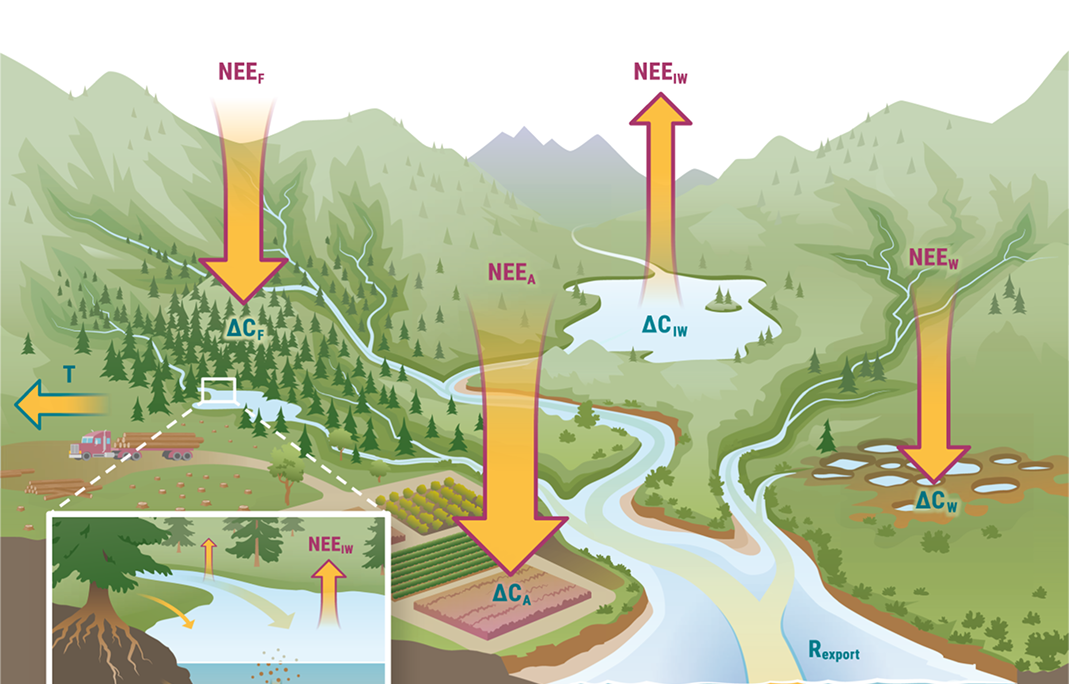
Wildlife populations are experiencing uneven impacts. Species such as caribou, which rely on large migratory ranges and specific vegetation, are declining in many regions. Changes in snow structure and ice conditions affect their ability to access food during winter. Predators, including wolves and bears, are forced to adapt their hunting patterns, while some southern species are moving northward, increasing competition and altering food webs. Marine ecosystems are also affected as sea ice diminishes, reducing habitat for ice-dependent species like seals and polar bears.
Advertising
Freshwater systems are not exempt. Thawing permafrost and increased precipitation are changing river flow patterns and water chemistry. Lakes and rivers now experience higher sediment loads and nutrient inputs, which can lead to algal blooms and reduced oxygen levels. Fish species adapted to cold, stable conditions face growing stress, while invasive or more temperature-tolerant species gain an advantage.
Human activities intensify these environmental pressures. Mining, oil and gas exploration, and transportation corridors fragment habitats and introduce pollution risks. Although northern development provides economic opportunities, it often conflicts with ecosystem stability and Indigenous land use. Indigenous communities, whose livelihoods are closely tied to local ecosystems, are among the first to experience the consequences of environmental degradation. Changes in wildlife availability, ice safety, and water quality directly affect food security and cultural practices.
In summary, ecosystems in Northern Canada are not changing gradually but undergoing systemic transformation. Climate warming acts as the primary driver, while human intervention accelerates and complicates its effects. These changes threaten biodiversity, destabilize ecological processes, and challenge the resilience of both natural systems and human communities. Without coordinated mitigation and adaptation strategies, the northern environment will continue to shift toward conditions that are fundamentally different from those that defined it for millennia.