
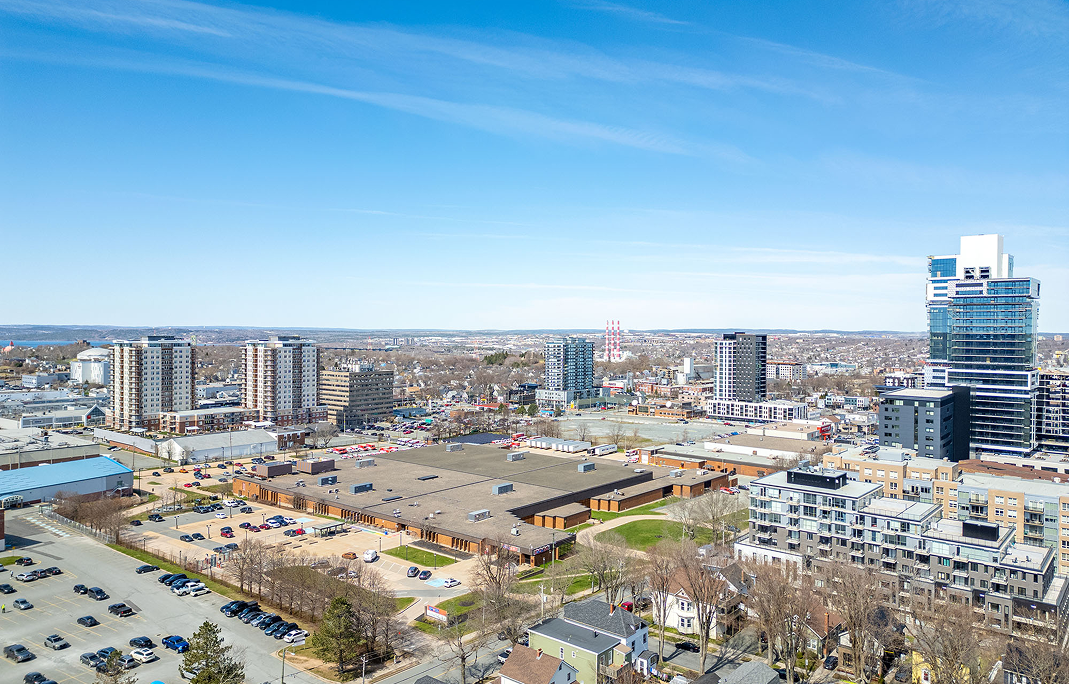
Many Canadian cities give an impression of being “sparse” or loosely built, especially when compared to dense European or Asian urban centers. This perception is not accidental. It is the result of geography, history, climate, planning ideology, and economic structure acting together over a long period of time.
Advertising
The first and most fundamental factor is geography. Canada has one of the lowest population densities in the world, combined with an extremely large land area. Even major metropolitan regions have access to vast amounts of land on their periphery. This abundance of space reduced the economic pressure to build upward or compactly, especially during periods of rapid urban growth in the 20th century.
Urban development in Canada was strongly influenced by the North American suburban model. After World War II, cities expanded outward rather than inward. Detached single-family homes, wide roads, and zoning rules that separated residential, commercial, and industrial areas became the standard. This produced cities with large distances between functions and relatively low building heights, reinforcing the visual sense of openness and underdevelopment.
Climate also plays a significant role. Harsh winters influenced construction practices and urban layouts. Buildings require setbacks for snow storage, wide streets for snow removal, and significant space for underground infrastructure. Dense medieval-style street patterns, common in Europe, are less practical in environments with long, severe winters. As a result, Canadian cities tend to prioritize accessibility and functionality over compactness.
Economic structure further explains the sparsity. Canada’s economy historically relied on resource extraction, logistics, and manufacturing rather than land-intensive commercial density. Unlike cities built around centuries of mercantile trade or constrained geography, many Canadian cities did not need to concentrate people and businesses tightly in small areas. This allowed for decentralized growth with multiple low-density employment zones rather than a single dense core.