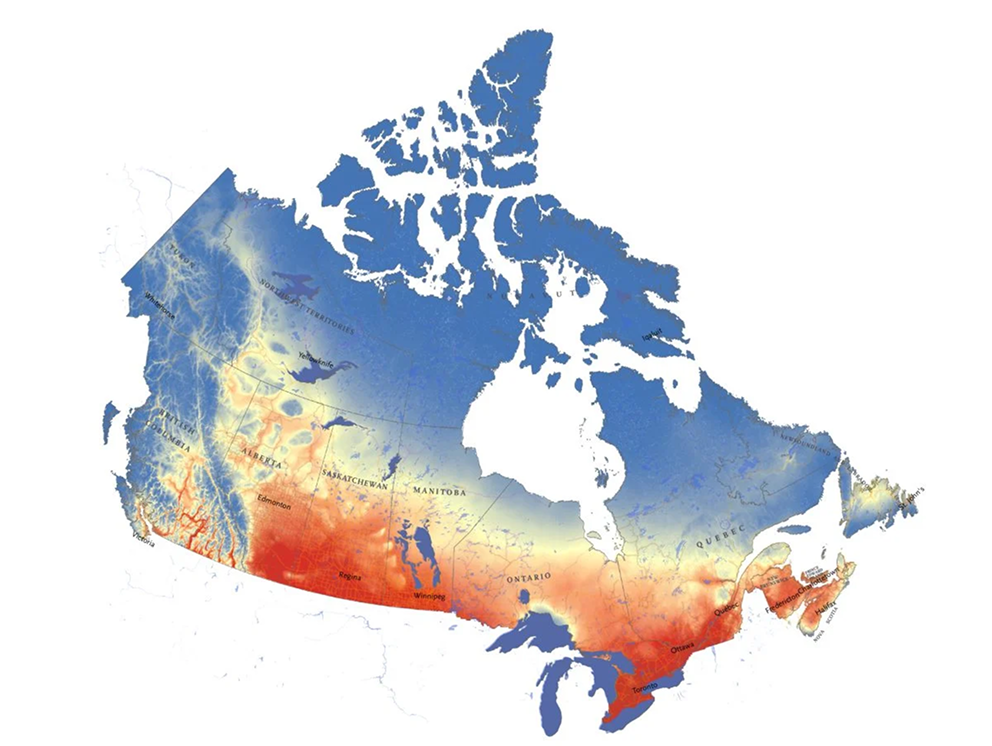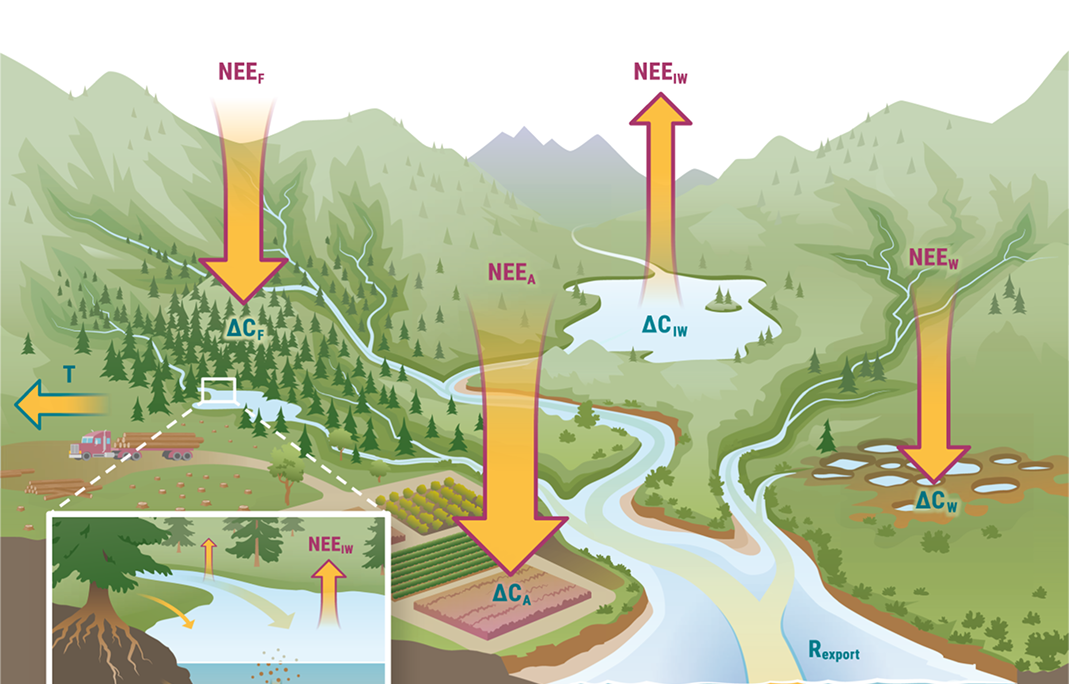
Northern Canada, encompassing the Arctic and subarctic regions, is undergoing rapid and measurable ecological transformation. These changes are driven primarily by climate warming, but are amplified by human activity, resource extraction, and infrastructure expansion. The scale and speed of these shifts are significantly higher than in southern latitudes, making the North one of the most environmentally sensitive regions on the planet.
One of the most evident changes is the rise in average temperatures. Northern Canada is warming at more than twice the global average. This has direct consequences for permafrost, a foundational element of northern ecosystems. As permafrost thaws, soil stability decreases, leading to ground subsidence, erosion, and the release of stored greenhouse gases such as methane and carbon dioxide. This creates a feedback loop that accelerates further warming.
Vegetation patterns are also changing. The traditional tundra landscape, characterized by mosses, lichens, and low shrubs, is gradually being replaced by taller shrubs and, in some areas, encroaching tree species. This process, often referred to as “shrubification,” alters surface albedo, meaning the land absorbs more solar radiation instead of reflecting it. As a result, local temperatures increase further, reinforcing ecological shifts. These changes also disrupt habitats for species adapted to open tundra environments.