Category:

City

Advertising

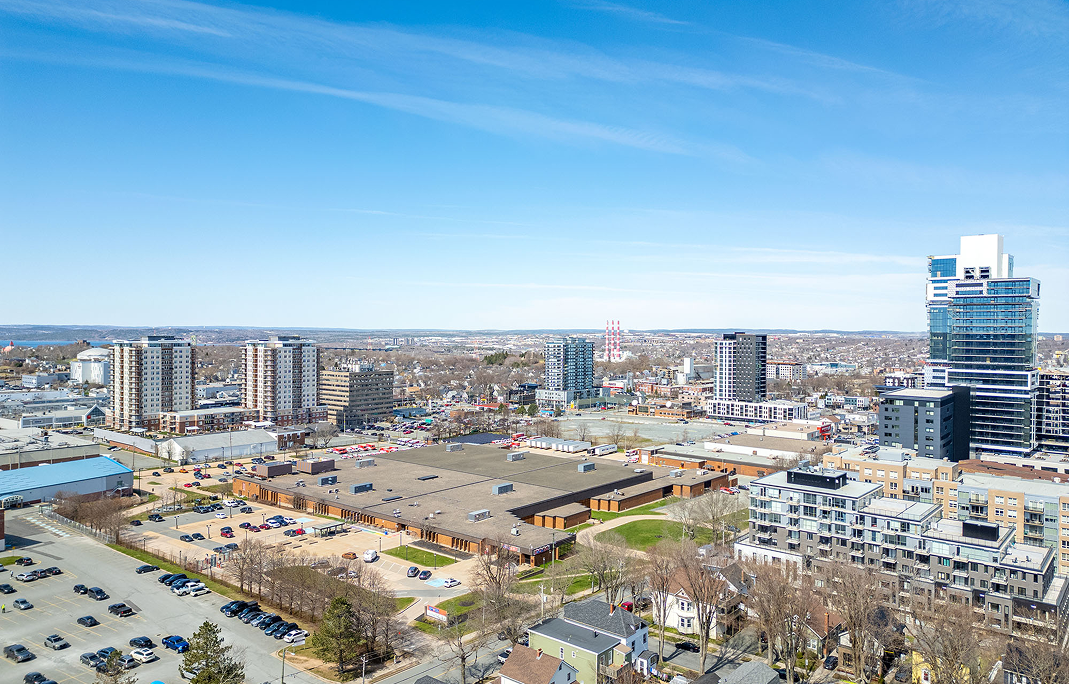
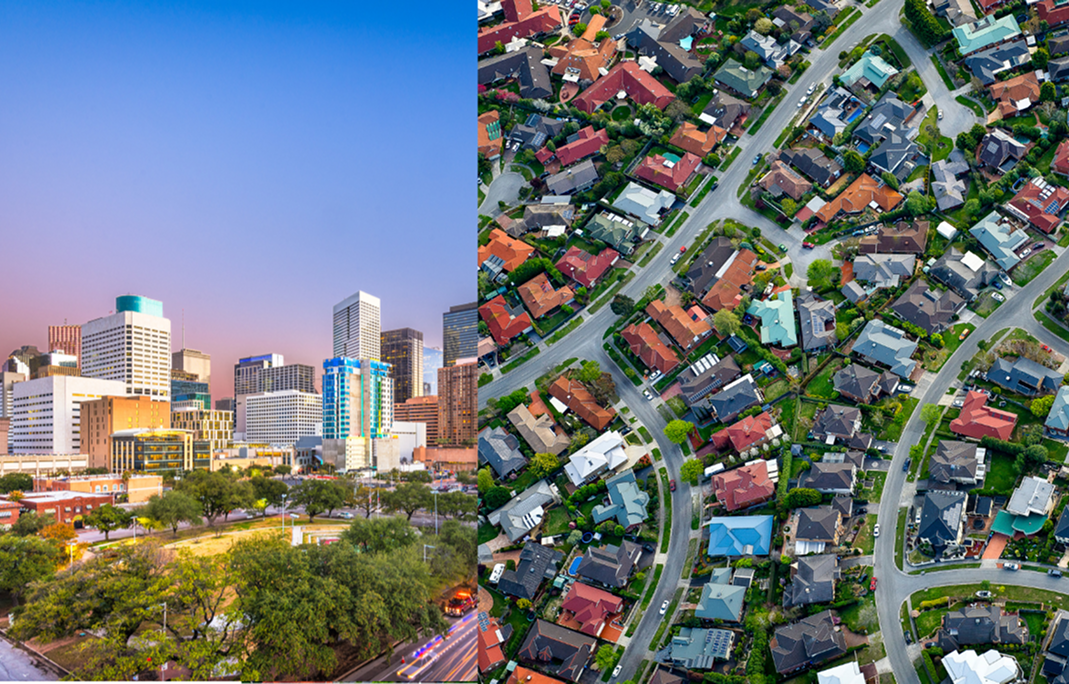
Over the past several decades, residential preferences in Canada have undergone significant shifts, reflecting changing demographics, economic factors, cultural values, and urban planning trends. Traditionally, the majority of Canadians favored suburban living, but recent years show a gradual reevaluation of the benefits of urban versus suburban life.

Historically, suburban development in Canada was driven by post-World War II economic expansion, the availability of land, and the rise of the automobile. Suburbs offered detached single-family homes, private yards, quiet streets, and the perception of safety and community. For many families, the suburbs represented upward mobility, access to larger living spaces, and proximity to schools and recreational amenities. This model dominated the urban periphery in cities such as Toronto, Vancouver, Calgary, and Montreal throughout the 20th century.

Suburban growth was facilitated by municipal zoning regulations that emphasized low-density residential areas, separation of residential and commercial land uses, and extensive road infrastructure. The combination of ample land, affordable housing relative to city centers, and convenient automobile access made suburban life the default choice for middle-class families. As a result, Canadian suburbs expanded rapidly, often at the expense of urban density and public transit viability.

In contrast, urban cores traditionally offered higher-density housing, proximity to workplaces, cultural institutions, and diverse social and commercial amenities. City living was associated with smaller apartments, higher housing costs, and greater exposure to noise and congestion. While urban centers remained important for economic, cultural, and governmental functions, they were often perceived as less desirable residential locations for families seeking privacy and space.

However, recent trends indicate a shift in preferences. Millennials, young professionals, and increasingly empty-nester populations are reconsidering the advantages of city living. Factors driving this change include the rising cost of suburban commuting, environmental awareness, and a desire for more walkable, amenity-rich neighborhoods. Urban cores now offer access to diverse dining, cultural events, public transit, and employment hubs, reducing dependence on private vehicles. Many residents value shorter commutes, better integration with public life, and opportunities for social engagement that are less feasible in sprawling suburban neighborhoods.

Technological changes and remote work have also influenced residential preferences. The COVID-19 pandemic accelerated remote work adoption, allowing some Canadians to live further from central business districts while maintaining employment connectivity. Paradoxically, this has both reinforced suburban attractiveness for some and urban living for others: while some seek larger suburban homes for comfort during remote work, others prefer city centers for the cultural, social, and recreational opportunities that cannot be replicated in low-density areas.


Pages: 1 2

Public spaces in Canada, including parks, squares, pedestrian streets, and waterfronts, function differently from those in many other countries due to a combination of climate, urban planning traditions, cultural values, and social behavior. These factors influence how these spaces are designed, used, and maintained, resulting in a unique urban experience.

One of the primary determinants is climate. Canadian cities experience extreme seasonal variations, with long, cold winters and short, warm summers. In northern cities such as Montreal, Ottawa, and Calgary, winter temperatures often drop below −20°C, and snow can cover public spaces for several months. As a result, public spaces must be adaptable to seasonal changes. During summer, parks and squares host active recreation, festivals, and outdoor markets, whereas in winter, many of these same spaces are repurposed for ice skating, sledding, and temporary installations that accommodate snow and ice. This seasonal duality makes Canadian public spaces multifunctional and highly flexible, but also means that their usage is uneven throughout the year compared to temperate climates.

Urban planning principles also shape the functionality of public spaces. Canadian cities traditionally developed under North American suburban and grid-based models, prioritizing accessibility, safety, and integration with green infrastructure. Public spaces are often designed to be visually open and spacious, with wide pathways, clear sightlines, and distributed seating. This contrasts with the compact, dense public squares common in European cities. While the openness increases safety and comfort, it can reduce the sense of intimacy and enclosure that encourages spontaneous social interaction. As a result, Canadian public spaces often work best when they are programmed or activated through events, markets, or cultural activities that attract users.

Cultural and social behavior further explains why public spaces in Canada operate differently. Canadian society tends to value privacy, personal space, and orderliness. Users of public spaces often maintain physical distance, avoid loud or disruptive behavior, and interact more formally compared to societies with a tradition of dense, communal urban life. This affects how spaces are perceived and used: large parks and promenades feel “underpopulated” unless there are organized activities, while smaller urban plazas may seem empty despite being well-maintained. Designers respond by including clear circulation routes, diverse seating arrangements, and spaces for both passive and active recreation, attempting to accommodate varied patterns of use.

Transportation and connectivity play a significant role. Many Canadian public spaces are integrated with pedestrian pathways, bicycle lanes, and transit hubs, particularly in cities such as Toronto, Vancouver, and Montreal. This integration ensures accessibility and encourages mobility, but also requires balancing pedestrian flow with recreational use. In high-density downtown areas, public squares often double as transit nodes or gathering points for office workers, which influences their daily rhythms and peak usage times. In suburban or peripheral areas, public spaces may primarily serve local residents and be used for family-oriented activities, reflecting lower population density and reliance on automobiles.

Pages: 1 2

Advertising

Canada is home to several notable underground developments, ranging from pedestrian passage networks to extensive multi-use underground complexes, most prominently in cities such as Montreal, Toronto, and Calgary. These underground cities and passages serve multiple practical, social, and economic functions, driven largely by the country’s climatic conditions, urban density, and transportation needs.

The primary driver for underground development in Canada is climate. Canadian winters, particularly in regions such as Quebec, Ontario, and Alberta, are long, harsh, and often accompanied by extreme cold, heavy snowfall, and icy conditions. In cities like Montreal, average winter temperatures can drop well below −20°C, with wind chills creating even more severe conditions. Underground passageways allow residents, workers, and tourists to move between buildings, transit hubs, and commercial centers without exposure to these extremes. They reduce health risks associated with frostbite, slips on ice, and prolonged exposure to wind and snow, while also increasing the convenience and accessibility of urban life during winter months.

Another significant reason for underground networks is urban density and the efficient use of limited space in central business districts. Cities such as Montreal have limited available land in their downtown cores, where real estate is expensive and vertical construction is already common. By developing pedestrian and service infrastructure underground, urban planners can maximize above-ground space for commercial, residential, and recreational uses. Underground networks connect office buildings, shopping centers, hotels, and public institutions, creating a continuous, climate-controlled environment that functions almost as an independent urban ecosystem. This approach helps manage pedestrian traffic, reduces congestion on streets, and integrates transportation hubs more efficiently.

Underground cities also serve economic purposes. They provide retail and commercial spaces that remain active year-round, insulated from weather fluctuations. Businesses benefit from the steady flow of pedestrians who use underground passages, especially in winter months when outdoor activity declines. Property values in connected buildings often increase, reflecting the added accessibility and convenience offered by the underground infrastructure. In addition, these networks facilitate logistical connections, allowing deliveries, maintenance services, and utilities to move efficiently without disrupting street-level activity.

Pages: 1 2

Residential planning in Canada reflects a combination of historical settlement patterns, climate considerations, socio-economic structures, and contemporary urban planning principles. Unlike many European or Asian cities, Canadian residential areas are generally low-density, spread out, and designed with significant attention to private space and automobile accessibility.

One of the foundational principles of Canadian residential planning is zoning. Municipal governments regulate land use through zoning bylaws that dictate how land can be developed. Typically, residential zones are classified into low-density, medium-density, and high-density areas. Low-density zones dominate the urban periphery and consist mostly of detached single-family homes with private yards. Medium-density areas include townhouses, semi-detached homes, and small apartment buildings, often serving as transitional zones between low-density suburbs and high-density urban cores. High-density zones are concentrated in city centers or along major transit corridors and consist of apartment towers, condominiums, and mixed-use developments.

Street layout and connectivity are key aspects of residential design. Many Canadian suburbs feature curvilinear streets with cul-de-sacs, designed to reduce through traffic, enhance safety, and create a sense of community. While this design improves local traffic conditions and privacy, it often results in longer travel distances and less walkability. In newer developments, planners sometimes attempt to integrate grid-like patterns or “modified grids” to balance accessibility, pedestrian safety, and traffic flow.

Infrastructure placement and service accessibility are also central to planning. Residential areas are typically organized around essential services such as schools, parks, and commercial nodes. Parks and green spaces are often centrally located or distributed within walking distance to enhance recreational opportunities and support ecological benefits such as stormwater management and urban cooling. Schools are strategically positioned to minimize student travel and integrate with public transit routes. Utilities, roads, and drainage systems are carefully planned before construction, with consideration for long-term expansion and maintenance in extreme weather conditions, particularly in northern or cold-climate regions.

Pages: 1 2

Advertising

Many Canadian cities give an impression of being “sparse” or loosely built, especially when compared to dense European or Asian urban centers. This perception is not accidental. It is the result of geography, history, climate, planning ideology, and economic structure acting together over a long period of time.

The first and most fundamental factor is geography. Canada has one of the lowest population densities in the world, combined with an extremely large land area. Even major metropolitan regions have access to vast amounts of land on their periphery. This abundance of space reduced the economic pressure to build upward or compactly, especially during periods of rapid urban growth in the 20th century.

Urban development in Canada was strongly influenced by the North American suburban model. After World War II, cities expanded outward rather than inward. Detached single-family homes, wide roads, and zoning rules that separated residential, commercial, and industrial areas became the standard. This produced cities with large distances between functions and relatively low building heights, reinforcing the visual sense of openness and underdevelopment.

Climate also plays a significant role. Harsh winters influenced construction practices and urban layouts. Buildings require setbacks for snow storage, wide streets for snow removal, and significant space for underground infrastructure. Dense medieval-style street patterns, common in Europe, are less practical in environments with long, severe winters. As a result, Canadian cities tend to prioritize accessibility and functionality over compactness.

Economic structure further explains the sparsity. Canada’s economy historically relied on resource extraction, logistics, and manufacturing rather than land-intensive commercial density. Unlike cities built around centuries of mercantile trade or constrained geography, many Canadian cities did not need to concentrate people and businesses tightly in small areas. This allowed for decentralized growth with multiple low-density employment zones rather than a single dense core.

Pages: 1 2

Advertising