
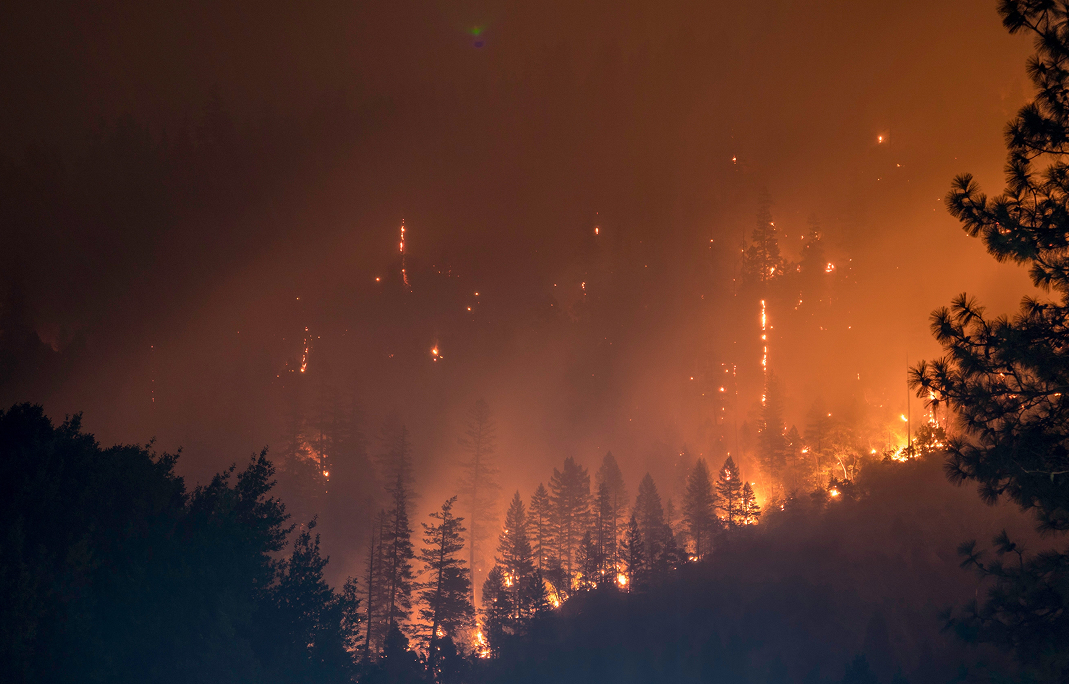
Forest fires have always been part of Canada’s natural landscape, but in recent years they have shifted from occasional events to a recurring feature of everyday life. Longer fire seasons, larger burned areas, and frequent smoke exposure have made wildfires feel like a new normal rather than an exception. This change is not caused by a single factor but by a combination of environmental, climatic, and human influences.
Advertising
One of the main reasons forest fires have become more common is the change in temperature patterns. Warmer average temperatures lead to earlier snowmelt and drier soils in spring and summer. When forests dry out, vegetation becomes highly flammable. Even a small ignition source can trigger a large fire under these conditions. Heat waves further intensify the problem by lowering moisture levels in trees and ground cover.
Another key factor is the lengthening of the fire season. In the past, fires were largely confined to mid-summer. Today, fire activity often begins earlier in the year and continues well into autumn. This extended window increases the likelihood of large, long-lasting fires. It also places constant pressure on firefighting resources, which are stretched thin across vast areas.
Forest management practices also play a role. For decades, fire suppression was prioritized in many regions. While this approach protected communities in the short term, it allowed dead wood and dense undergrowth to accumulate. This buildup of fuel means that when fires do occur, they burn hotter and spread faster than they would in a more natural fire cycle. Instead of frequent low-intensity burns, forests now experience fewer but far more destructive fires.