
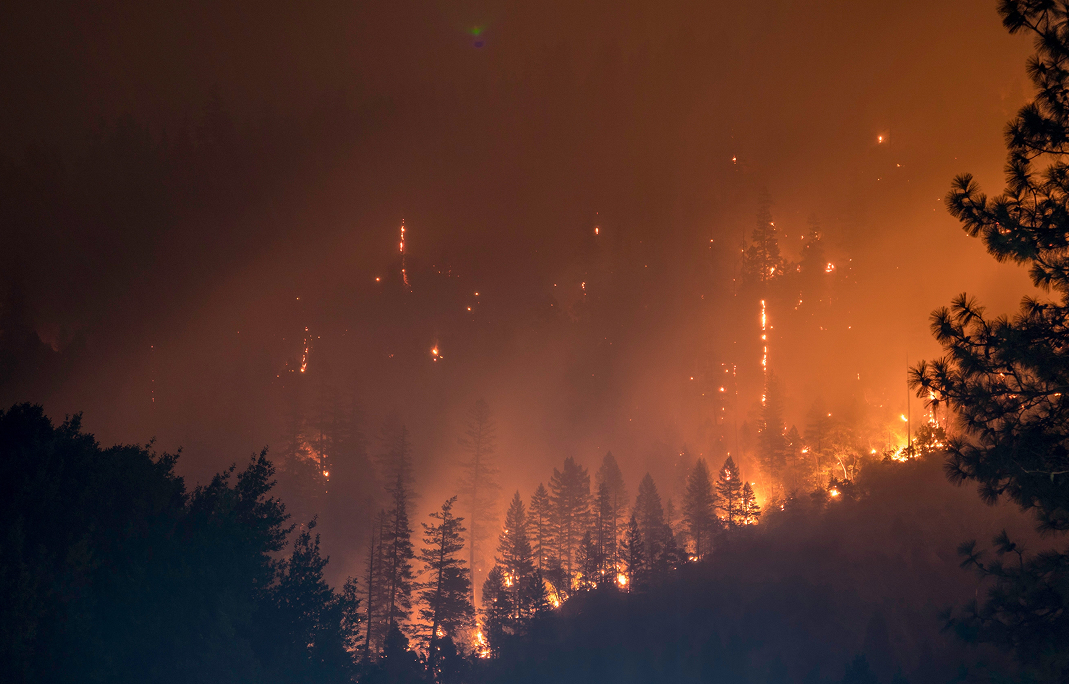
Human activity significantly increases ignition risks. Many fires are caused by campfires, machinery, power lines, or accidental sparks near forested areas. As communities expand into wildland areas, the zone where human infrastructure meets natural landscapes grows. This interface creates more opportunities for fires to start and more assets at risk when they do.
Advertising
Climate patterns related to wind and storms also influence fire behavior. Strong winds can push flames rapidly across large distances, making fires difficult to contain. Lightning storms, especially those that bring little rain, can ignite multiple fires simultaneously. When several fires start at once, response efforts become overwhelmed, allowing some fires to grow uncontrollably.
The impact of forest fires extends beyond burned land. Smoke travels hundreds or even thousands of kilometers, affecting air quality far from the fire zone. Prolonged smoke exposure disrupts daily life, outdoor activities, and public health, especially in urban areas. This widespread effect reinforces the sense that fires are no longer isolated regional events.
Ecosystems themselves are being reshaped. Some plant species depend on fire to regenerate, but the increasing intensity and frequency of modern fires can exceed their adaptive capacity. Wildlife faces habitat loss, displacement, and changes in food availability. Forest recovery takes longer, and in some areas, forests may not return to their previous state.
In summary, forest fires have become the norm in Canada due to warmer climates, longer fire seasons, accumulated fuel, and increased human presence in fire-prone areas. These fires are not just environmental events but ongoing societal challenges that influence how people live, plan, and interact with the natural world.