
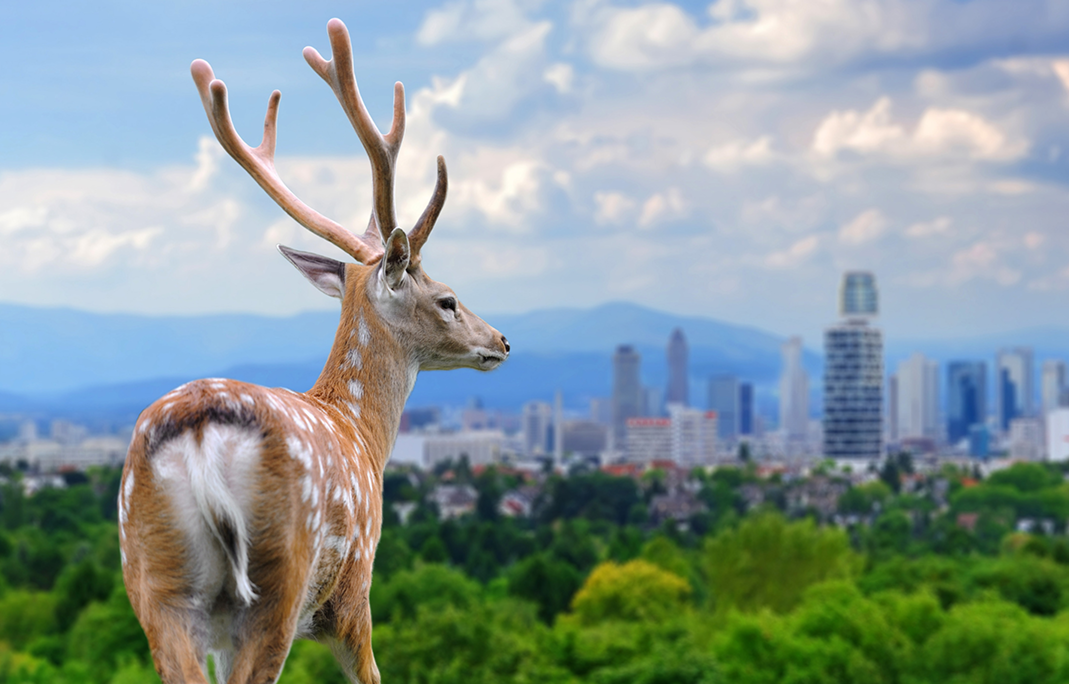
Smaller mammals are even more common. Raccoons, skunks, foxes, and squirrels thrive in urban environments. They benefit from shelter provided by buildings and abundant food from waste, gardens, and compost. These animals are highly adaptable and often alter their behavior to avoid direct contact with people, becoming more active at night. Their presence is so normal that many city residents stop noticing them.
Advertising
Bird life around cities is especially diverse. Parks, lakes, and tree-lined streets provide nesting and feeding opportunities for many species. Some birds, such as pigeons and crows, have become fully urbanized, while others move between natural and built environments. Birds of prey, including hawks and owls, are increasingly spotted in cities, attracted by high populations of rodents and smaller birds.
Less visible but equally important are amphibians and reptiles. Frogs, toads, and salamanders often live near urban wetlands, stormwater ponds, and river systems. These animals are sensitive to pollution and habitat disruption, making their presence an indicator of environmental quality. Snakes and turtles may also be found in protected green spaces, though they are rarely seen due to their secretive nature.
Urban wildlife does not live randomly. Cities that include connected green spaces, ravines, and waterways provide safer movement routes for animals. These corridors reduce conflicts and allow species to maintain stable populations. Where green spaces are fragmented, animals face greater risks from traffic, pollution, and human interaction.
Human behavior plays a significant role in shaping urban wildlife patterns. Improper waste management, feeding wildlife intentionally or unintentionally, and poorly secured compost attract animals and increase contact. Over time, animals learn which neighborhoods provide reliable resources, altering their natural behavior.
Living near wildlife is not inherently dangerous, but it requires awareness. Understanding which animals are present and how they behave reduces fear and conflict. Most urban wildlife avoids humans and poses little risk if left undisturbed.
In Canada, wildlife near cities is not an exception but a normal part of the landscape. As urban areas continue to grow, coexistence with these animals becomes an ongoing reality rather than a rare encounter.