
Safety and maintenance are additional factors influencing how public spaces function. Canadian cities generally prioritize well-maintained environments with visible security and emergency measures, including lighting, signage, and emergency call stations. Seasonal weather conditions necessitate regular snow removal, ice management, and landscaping, which affects accessibility and usability. While these measures increase comfort and reliability, they also shape the design: furniture, paths, and installations must be durable, weather-resistant, and easy to clear or adapt, limiting certain types of informal or experimental uses.
Advertising
Environmental considerations have become increasingly important in public space planning. Canadian urban designers integrate green infrastructure, stormwater management, and native plantings to address ecological and climate challenges. Parks and waterfronts are often designed as multifunctional systems, providing recreational opportunities while mitigating flooding, preserving biodiversity, and improving urban microclimates. These multifunctional approaches influence how people interact with spaces: for example, a park may include a wetland area that cannot be accessed directly, or a riverside promenade that serves both recreational and flood control functions. As a result, usage is carefully mediated by both physical design and environmental constraints.
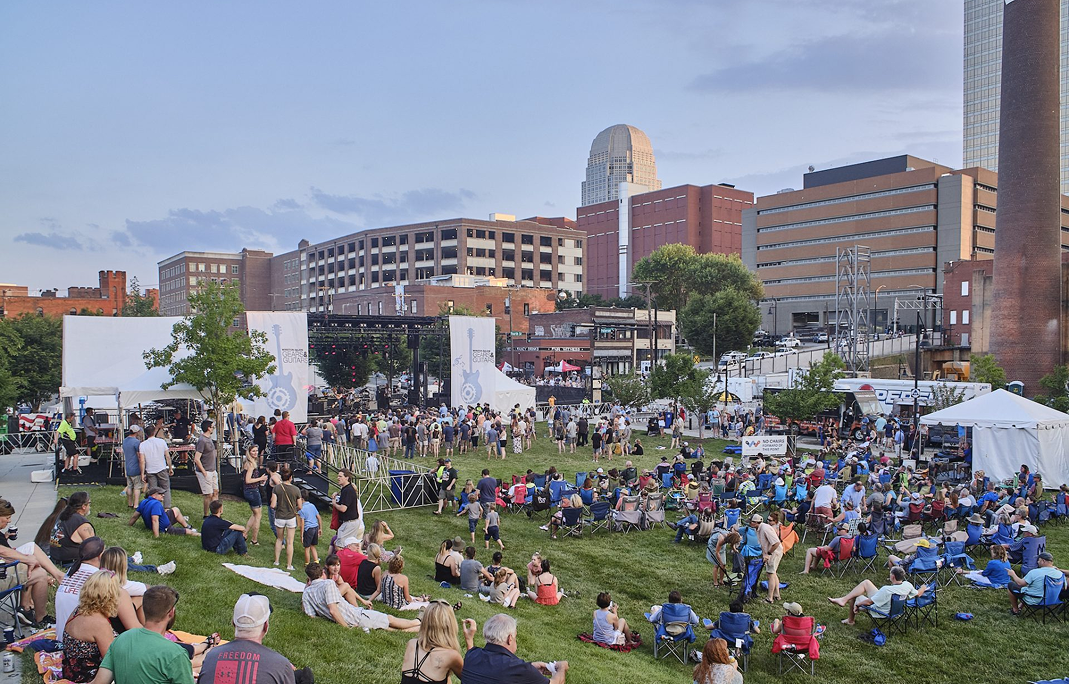
Finally, governance and programming affect the success of public spaces. Municipal authorities often organize seasonal events, cultural festivals, and public art installations to activate spaces and encourage social interaction. The degree of programming directly impacts how spaces “work,” making them hubs of urban life in summer and winter alike. Without organized events or maintenance, even centrally located squares may feel underused due to the cultural emphasis on personal space and orderly conduct.
In conclusion, public spaces in Canada work differently due to a combination of extreme seasonal variation, urban planning approaches, cultural norms, transportation integration, and environmental considerations. These factors produce spaces that are flexible, multifunctional, and highly managed, yet often feel less dense or socially spontaneous compared to European or Asian counterparts. The success of Canadian public spaces depends not only on their physical design but also on active programming, maintenance, and the adaptability of spaces to seasonal and social conditions. This results in urban environments where public spaces serve as both functional infrastructure and socially moderated arenas, reflecting the unique intersection of geography, culture, and urban planning priorities in Canada.