
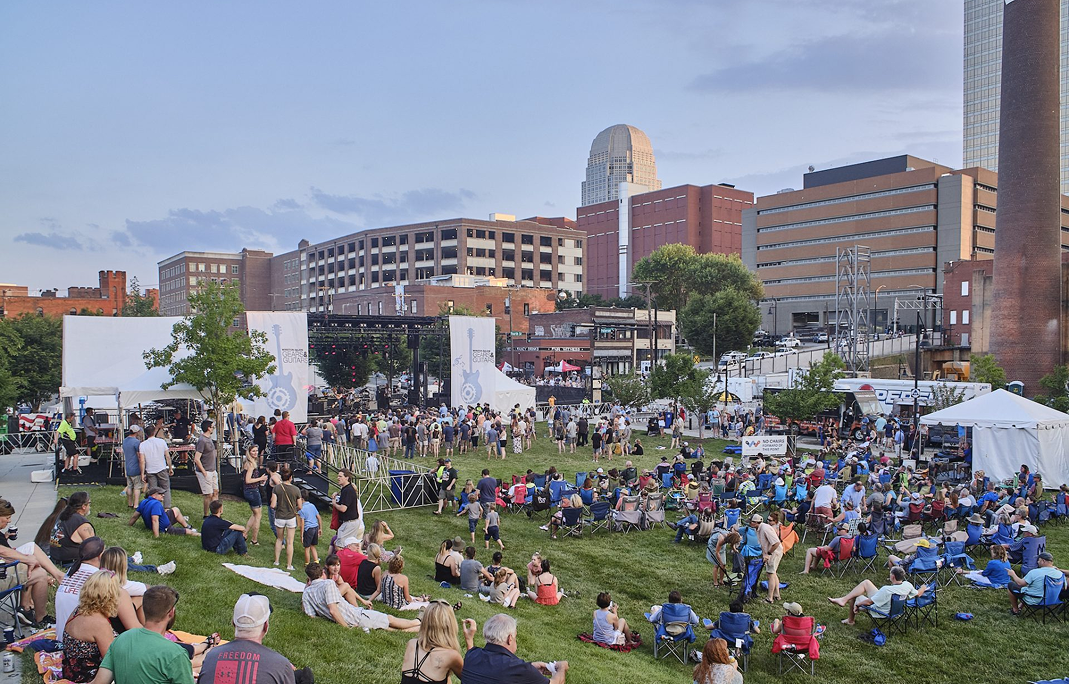
Public spaces in Canada, including parks, squares, pedestrian streets, and waterfronts, function differently from those in many other countries due to a combination of climate, urban planning traditions, cultural values, and social behavior. These factors influence how these spaces are designed, used, and maintained, resulting in a unique urban experience.
Advertising
One of the primary determinants is climate. Canadian cities experience extreme seasonal variations, with long, cold winters and short, warm summers. In northern cities such as Montreal, Ottawa, and Calgary, winter temperatures often drop below −20°C, and snow can cover public spaces for several months. As a result, public spaces must be adaptable to seasonal changes. During summer, parks and squares host active recreation, festivals, and outdoor markets, whereas in winter, many of these same spaces are repurposed for ice skating, sledding, and temporary installations that accommodate snow and ice. This seasonal duality makes Canadian public spaces multifunctional and highly flexible, but also means that their usage is uneven throughout the year compared to temperate climates.
Urban planning principles also shape the functionality of public spaces. Canadian cities traditionally developed under North American suburban and grid-based models, prioritizing accessibility, safety, and integration with green infrastructure. Public spaces are often designed to be visually open and spacious, with wide pathways, clear sightlines, and distributed seating. This contrasts with the compact, dense public squares common in European cities. While the openness increases safety and comfort, it can reduce the sense of intimacy and enclosure that encourages spontaneous social interaction. As a result, Canadian public spaces often work best when they are programmed or activated through events, markets, or cultural activities that attract users.
Cultural and social behavior further explains why public spaces in Canada operate differently. Canadian society tends to value privacy, personal space, and orderliness. Users of public spaces often maintain physical distance, avoid loud or disruptive behavior, and interact more formally compared to societies with a tradition of dense, communal urban life. This affects how spaces are perceived and used: large parks and promenades feel “underpopulated” unless there are organized activities, while smaller urban plazas may seem empty despite being well-maintained. Designers respond by including clear circulation routes, diverse seating arrangements, and spaces for both passive and active recreation, attempting to accommodate varied patterns of use.
Transportation and connectivity play a significant role. Many Canadian public spaces are integrated with pedestrian pathways, bicycle lanes, and transit hubs, particularly in cities such as Toronto, Vancouver, and Montreal. This integration ensures accessibility and encourages mobility, but also requires balancing pedestrian flow with recreational use. In high-density downtown areas, public squares often double as transit nodes or gathering points for office workers, which influences their daily rhythms and peak usage times. In suburban or peripheral areas, public spaces may primarily serve local residents and be used for family-oriented activities, reflecting lower population density and reliance on automobiles.