
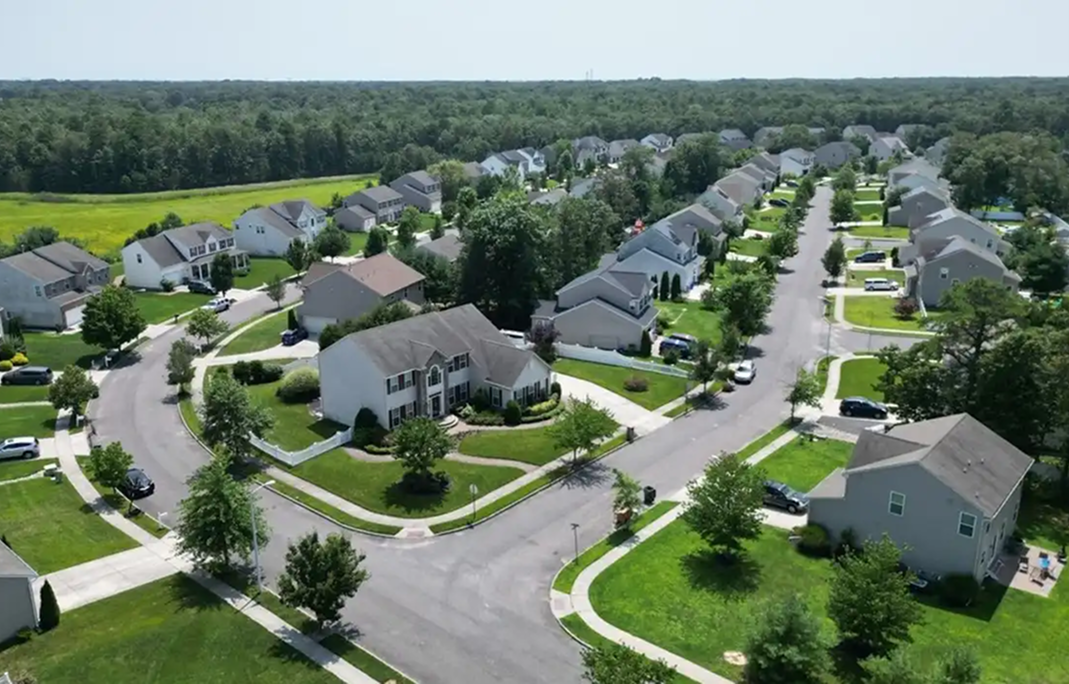
Residential planning in Canada reflects a combination of historical settlement patterns, climate considerations, socio-economic structures, and contemporary urban planning principles. Unlike many European or Asian cities, Canadian residential areas are generally low-density, spread out, and designed with significant attention to private space and automobile accessibility.
Advertising
One of the foundational principles of Canadian residential planning is zoning. Municipal governments regulate land use through zoning bylaws that dictate how land can be developed. Typically, residential zones are classified into low-density, medium-density, and high-density areas. Low-density zones dominate the urban periphery and consist mostly of detached single-family homes with private yards. Medium-density areas include townhouses, semi-detached homes, and small apartment buildings, often serving as transitional zones between low-density suburbs and high-density urban cores. High-density zones are concentrated in city centers or along major transit corridors and consist of apartment towers, condominiums, and mixed-use developments.
Street layout and connectivity are key aspects of residential design. Many Canadian suburbs feature curvilinear streets with cul-de-sacs, designed to reduce through traffic, enhance safety, and create a sense of community. While this design improves local traffic conditions and privacy, it often results in longer travel distances and less walkability. In newer developments, planners sometimes attempt to integrate grid-like patterns or “modified grids” to balance accessibility, pedestrian safety, and traffic flow.
Infrastructure placement and service accessibility are also central to planning. Residential areas are typically organized around essential services such as schools, parks, and commercial nodes. Parks and green spaces are often centrally located or distributed within walking distance to enhance recreational opportunities and support ecological benefits such as stormwater management and urban cooling. Schools are strategically positioned to minimize student travel and integrate with public transit routes. Utilities, roads, and drainage systems are carefully planned before construction, with consideration for long-term expansion and maintenance in extreme weather conditions, particularly in northern or cold-climate regions.