
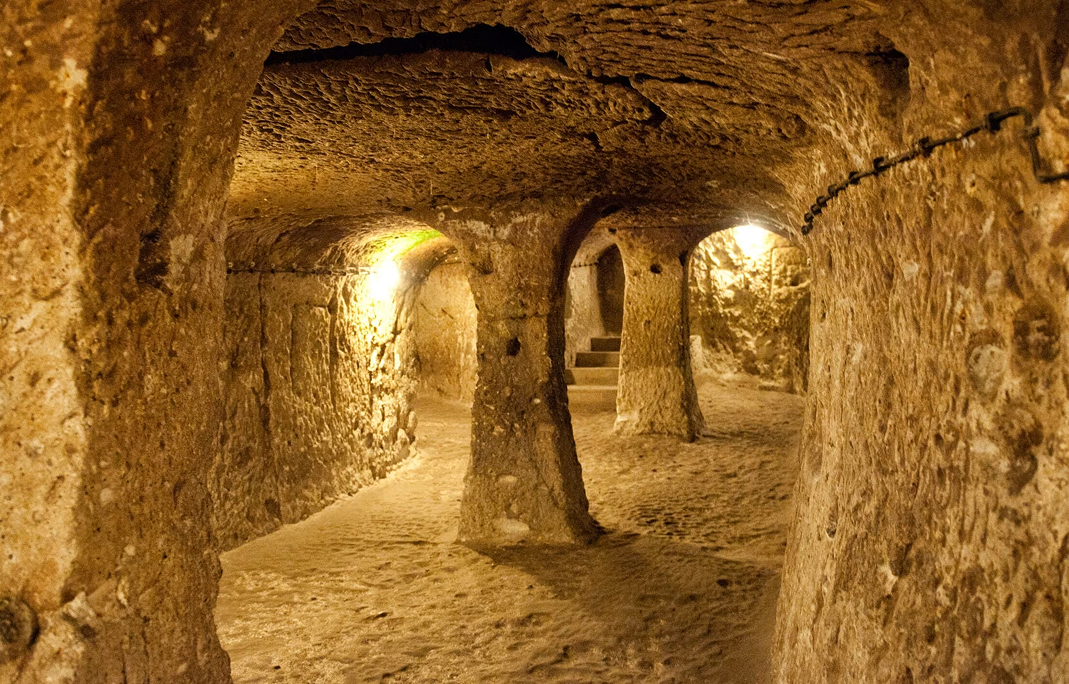
Safety and security are additional motivations. Underground passages can serve as emergency routes, providing protection during extreme weather events or other urban disruptions. For example, in cases of heavy snowfall, ice storms, or temporary street closures, underground networks ensure continuity of pedestrian movement. In densely populated downtown areas, these passages reduce the likelihood of pedestrian accidents and contribute to more orderly urban flow.
Advertising
Urban planning and transportation integration are also important. Many Canadian underground networks are connected to subway and train stations, bus terminals, and parking facilities. This integration encourages public transit use, reduces reliance on automobiles, and improves accessibility for individuals with mobility limitations. Elevators, ramps, and escalators within these systems are designed to accommodate diverse users, ensuring compliance with accessibility standards and promoting inclusive urban mobility.
Cultural and social factors play a role as well. Underground cities in Canada are not purely functional; they also provide spaces for social interaction, recreation, and public events. In Montreal, the extensive network known as the “RESO” or “La Ville Souterraine” includes not only commercial passages but also theaters, exhibition halls, and community spaces. These networks create an alternate urban experience, where people can live, work, shop, and socialize in a continuous, weather-protected environment. During the winter, they become vital hubs of city life, helping maintain economic activity and social cohesion despite extreme outdoor conditions.
Environmental considerations also contribute to the appeal of underground development. By concentrating pedestrian movement and retail activity underground, cities can reduce street-level energy consumption, mitigate the urban heat island effect, and manage snow removal and maintenance more efficiently. Underground structures can also improve insulation and energy efficiency for connected buildings, leveraging shared heating and cooling systems within controlled environments.
In conclusion, underground cities and passages in Canada exist primarily as a response to climatic challenges, urban density, and the need for efficient, safe, and functional pedestrian infrastructure. They provide year-round accessibility, support economic activity, integrate with public transportation, enhance safety, and create social and cultural spaces insulated from extreme weather. Far from being merely architectural curiosities, these subterranean networks represent a practical adaptation to the country’s environmental and urban conditions, demonstrating the ways in which planning and design can reshape urban life to meet local challenges.