
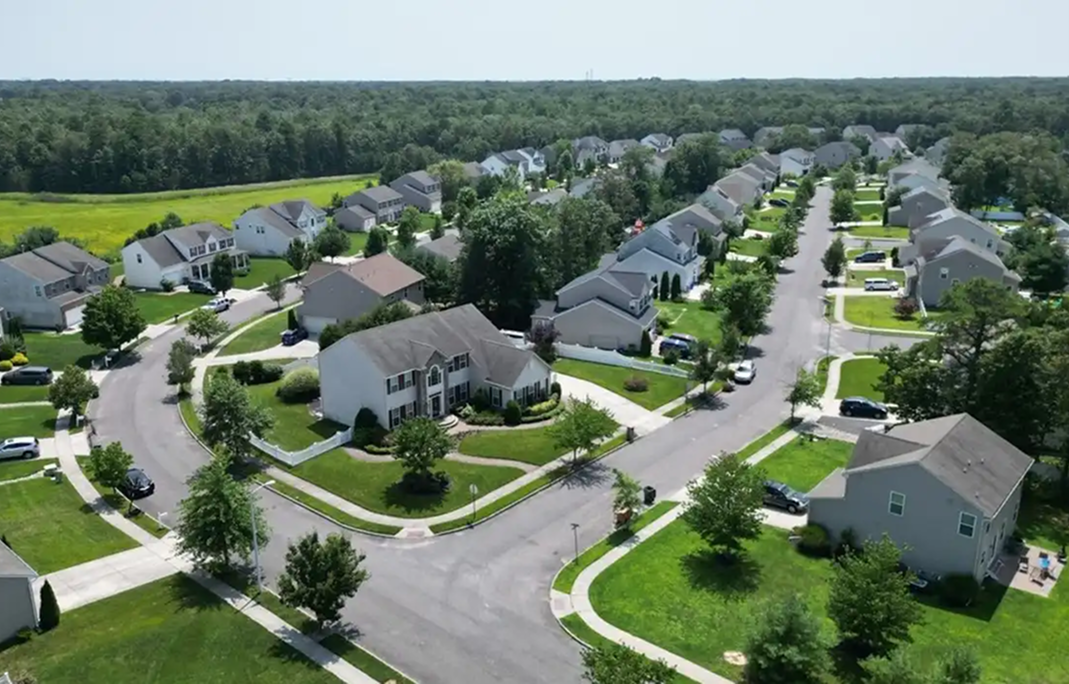
Housing typologies in Canadian residential areas reflect demographic and cultural preferences. Single-family homes dominate in most suburban developments, emphasizing private ownership, personal outdoor space, and detached living. In medium- and high-density zones, townhouses and apartment complexes provide more affordable options while maintaining proximity to services and transit. Condominium developments in urban centers often integrate residential, retail, and office spaces, reflecting contemporary trends in mixed-use planning and the demand for urban living among younger populations.
Advertising
Transportation planning strongly shapes residential layouts. The predominance of private automobiles in Canada has influenced the design of streets, parking provisions, and subdivision patterns. Most low-density neighborhoods are car-oriented, with ample driveway and street parking. Public transit systems, though present in large cities, are less integrated into suburban layouts, which contributes to reliance on vehicles. In response, some modern developments near transit hubs adopt higher density, mixed-use designs to promote transit-oriented living.
Environmental and sustainability considerations are increasingly integrated into residential planning. Planners now account for stormwater management, energy-efficient building standards, preservation of natural habitats, and the impact of climate change. Green building codes, sustainable landscaping, and tree preservation are common features in newer neighborhoods. Planners also attempt to limit urban sprawl by promoting infill development and higher-density housing in strategic locations to preserve surrounding natural and agricultural lands.
Social and community planning is an additional dimension. Canadian residential areas often include amenities designed to foster community interaction, such as local parks, playgrounds, community centers, and pedestrian pathways. Planners consider accessibility for all age groups and abilities, ensuring that sidewalks, crossings, and public facilities accommodate residents’ needs. Affordable housing is often integrated, albeit unevenly, to maintain socio-economic diversity within neighborhoods.
In conclusion, residential planning in Canada reflects a balance of low-density suburban preference, zoning regulations, climate considerations, transportation needs, and emerging sustainability priorities. Neighborhoods are designed to provide privacy, access to green space, and functional infrastructure, while modern trends increasingly push toward higher density, mixed-use, and environmentally conscious layouts. The overall approach prioritizes a combination of livability, safety, and long-term adaptability, resulting in residential areas that are functional, structured, and visually spacious compared to cities with denser urban cores.