
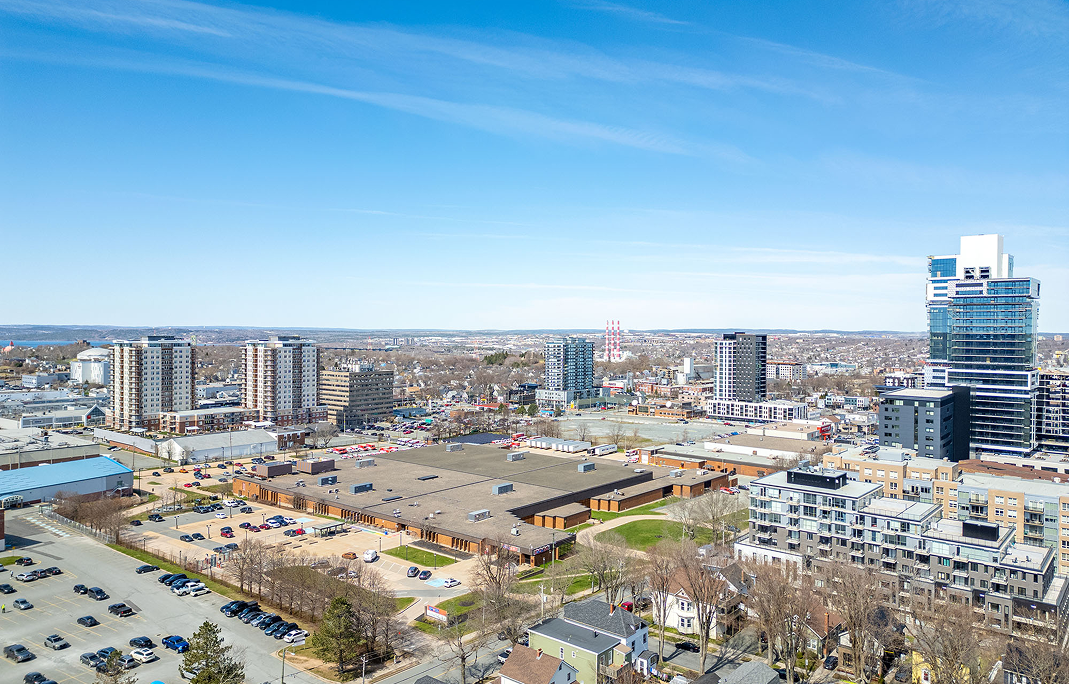
Zoning policy is another decisive factor. For decades, municipal regulations favored low-rise housing and restricted mixed-use development. Height limits, minimum parking requirements, and single-use zoning discouraged density. Even in large cities such as Toronto, Vancouver, or Calgary, vast residential areas are composed almost entirely of detached houses, which dramatically lowers average urban density despite the presence of high-rise clusters downtown.
Advertising
Transportation infrastructure reinforced this pattern. Heavy reliance on automobiles shaped city form. Highways and arterial roads enabled long commutes and made suburban living viable. Public transit, while present, often developed later and served already spread-out populations, limiting its ability to drive compact urban form.
Cultural expectations also matter. Home ownership, private space, and access to nature are strongly valued in Canadian society. Many residents prefer larger homes, private yards, and quieter neighborhoods, even at the cost of longer commutes. Urban planners and politicians responded to these preferences by continuing low-density expansion rather than challenging it.
In conclusion, Canadian cities appear “sparse” not because of poor planning or lack of development, but because they evolved under conditions of abundant land, cold climate, car-oriented infrastructure, and long-standing zoning practices. The result is an urban form that prioritizes space, separation, and flexibility over density and compactness. Only in recent years has this model begun to be questioned as housing affordability, sustainability, and infrastructure costs become more pressing concerns.