Author

Sarah Wilson

Advertising

The adoption of remote work in Canada has accelerated dramatically over the past decade, and particularly in recent years, largely due to technological advancements. These developments have transformed how Canadians perform professional tasks, communicate with colleagues, and structure their work-life balance, creating both opportunities and challenges for individuals, organizations, and urban systems.

A primary factor enabling remote work is the widespread availability of high-speed internet and mobile connectivity. In urban centers such as Toronto, Vancouver, and Montreal, broadband access allows employees to connect seamlessly to cloud-based platforms, virtual meetings, and collaborative software. In many cases, businesses can maintain operational continuity without requiring physical presence, as tasks that traditionally required office infrastructure can now be performed from home or remote locations. Even in suburban and rural areas, improvements in internet coverage have made it feasible for employees to remain connected to central offices, reducing reliance on commuting and enabling more flexible work arrangements.

Collaboration and communication technologies play a central role in shaping remote work practices. Platforms for video conferencing, instant messaging, document sharing, and project management allow teams to coordinate effectively despite physical separation. For example, cloud-based applications provide real-time access to shared documents, while virtual meeting software supports synchronous discussions with colleagues across cities or provinces. These technologies reduce the friction of distance and make remote work a practical alternative to traditional office environments, while also supporting hybrid models in which employees split time between home and office.

Technology also influences productivity monitoring and workflow management. Canadian organizations increasingly rely on digital dashboards, time-tracking software, and task management systems to ensure accountability and maintain standards of performance. These tools allow supervisors to assign, track, and evaluate work without requiring physical oversight. While some employees perceive this as empowering, offering greater autonomy over their schedules, others experience it as increased surveillance, highlighting the need for balanced implementation that respects privacy and autonomy while ensuring productivity.

Remote work technology impacts urban infrastructure and commuting patterns. Reduced demand for daily office attendance has decreased congestion on public transit and road networks in major cities, influencing municipal planning and environmental strategies. Fewer commuters mean less strain on urban transportation systems, lower greenhouse gas emissions, and potential changes in the real estate market, as demand for downtown office space evolves. Simultaneously, suburban and peripheral areas experience increased residential demand as workers prioritize larger living spaces suitable for home offices, illustrating the interconnectedness of technology, work practices, and urban geography.


Pages: 1 2

Canada is one of the most culturally diverse countries in the world, with a population shaped by centuries of Indigenous heritage, European settlement, and waves of immigration from Asia, Africa, the Middle East, and Latin America. This diversity has produced a society in which multiple cultural models coexist, interact, and influence one another, creating both opportunities and challenges for social cohesion. Understanding how this coexistence functions requires examining historical precedent, institutional frameworks, social norms, and everyday practices.

A foundational factor is Canada’s policy of multiculturalism, formally adopted in the 1970s. Multiculturalism promotes the recognition and preservation of diverse cultural identities within a unified national framework. This approach encourages ethnic, linguistic, and religious groups to maintain their traditions while participating in broader Canadian society. By valuing diversity as a collective asset rather than expecting assimilation, Canada creates an institutional environment in which different cultural models—such as Indigenous governance, European traditions, and immigrant customs—can coexist with minimal direct conflict.

Historical settlement patterns also shaped cultural coexistence. Indigenous peoples, including First Nations, Inuit, and Métis communities, have long-established social, legal, and spiritual systems that coexist with Canadian state institutions. European colonization introduced legal, political, and economic models that became dominant in urban governance, commerce, and education. Subsequent waves of immigration brought additional cultural frameworks, each with unique social norms, family structures, and community practices. Over time, these models adapted to one another, producing hybrid practices that respect cultural heritage while facilitating shared civic life.

Everyday social norms reflect the coexistence of diverse models. Canadians often demonstrate a high tolerance for different behaviors, dietary practices, religious observances, and communication styles. Public spaces, workplaces, schools, and neighborhoods are structured to accommodate multiple cultural practices, from prayer facilities and dietary options to multilingual signage and inclusive holidays. This flexibility enables individuals to maintain cultural distinctiveness while participating in collective activities, fostering coexistence without forced conformity.

Language plays a central role in mediating cultural coexistence. Canada is officially bilingual, with English and French recognized as national languages, and many communities retain additional languages from immigrant or Indigenous backgrounds. Multilingual communication facilitates interaction between different cultural groups, allowing individuals to navigate social, economic, and civic life while preserving their linguistic heritage. Language policy also reduces cultural friction by ensuring that institutional access—such as education, healthcare, and legal services—is available to speakers of both official languages, thereby providing a framework in which diverse communities can coexist equitably.

Pages: 1 2

Advertising

One of the most frequently noted aspects of Canadian social behavior is the propensity to apologize, even in situations where the individual is not clearly at fault. Saying “sorry” is woven into everyday interactions, reflecting cultural values, social norms, and historical development. Understanding why Canadians apologize more often requires examining social etiquette, interpersonal expectations, and the role of politeness in maintaining harmony.

At the core, frequent apologies are a manifestation of Canada’s emphasis on politeness and respect. Canadians generally prioritize maintaining social harmony and avoiding conflict in both public and private interactions. Apologizing functions as a social lubricant, signaling recognition of another person’s experience, consideration of their feelings, and a willingness to maintain positive relations. This applies in situations ranging from minor inconveniences, such as accidentally bumping into someone in a store, to broader social misunderstandings or procedural delays. The apology is often less about admitting guilt and more about acknowledging the other person and smoothing interaction.

Historical and cultural factors contribute to this behavioral pattern. Canada’s early European settlers brought social norms emphasizing courteous behavior, restraint, and indirect conflict resolution. These norms were reinforced in a society characterized by multicultural coexistence and dispersed settlements, where cooperation and civility were essential for survival and coexistence. Over generations, apologizing became a socially ingrained habit, reflecting respect for others and an understanding of the importance of maintaining predictable, courteous interactions.

The Canadian tendency to apologize is also reinforced by multiculturalism. With a diverse population encompassing numerous ethnic, linguistic, and cultural backgrounds, Canadians navigate a range of social expectations. Frequent apologies help manage uncertainty in interactions, signaling goodwill and reducing the risk of offense. Apologizing becomes a flexible, low-cost strategy for demonstrating empathy and understanding in socially heterogeneous environments. In this sense, it functions as both a relational tool and a social safety mechanism.

Politeness norms extend into professional and institutional contexts. In workplaces, public services, and customer interactions, apologies are used to maintain professional decorum and reassure others. For example, employees may apologize for minor delays, perceived inconveniences, or misunderstandings, even when responsibility is unclear. This behavior fosters trust and reinforces an image of accountability, creating a positive feedback loop: apologies demonstrate respect and attentiveness, which encourages reciprocal cooperation and patience. It also reflects a cultural preference for non-confrontational problem resolution.

Pages: 1 2

Trust is a fundamental component of social interaction, shaping how individuals navigate personal relationships, professional environments, and public life. In Canada, trust is formed gradually through repeated behaviors, social norms, and institutional reinforcement, reflecting both cultural values and practical necessities in a geographically vast and socially diverse society.

At the most basic level, trust in everyday Canadian life is established through consistency and reliability. Individuals observe whether others behave predictably, keep promises, and follow shared social norms. For example, a neighbor who consistently respects property boundaries, responds courteously to requests, or adheres to community rules becomes perceived as trustworthy. Similarly, in professional contexts, co-workers or clients who meet deadlines, honor commitments, and communicate transparently foster confidence over time. Repetition of such behaviors creates a foundation for trust that is both cognitive, based on assessment of reliability, and emotional, based on comfort and perceived integrity.

Cultural norms in Canada heavily influence the formation of trust. Politeness, respect for privacy, and adherence to social conventions are widely valued. Demonstrating these behaviors signals reliability and consideration, which in turn fosters trust. For instance, maintaining personal space, queuing appropriately, and respecting another person’s time are subtle but meaningful cues in social interactions. Trust is reinforced when individuals recognize that others observe these norms even without explicit enforcement, reflecting internalized social expectations.

Communication style also plays a critical role. Canadians generally favor indirect, respectful, and transparent communication. Honesty, but framed politely, increases trust because it signals that the speaker values both accuracy and the relational context. Overstating claims, exaggerating, or being confrontational can undermine trust, even if the underlying information is accurate. Conversely, consistent verbal and non-verbal signals, such as eye contact, tone, and attentiveness, contribute to perceptions of sincerity and reliability.

Trust is further reinforced through reciprocity. Canadians are more likely to trust those who demonstrate cooperative behavior, fairness, and consideration for mutual benefit. Acts of support, whether offering help, sharing resources, or providing information, strengthen social bonds. In neighborhoods, assisting someone with heavy packages or shoveling snow becomes a subtle demonstration of reliability and goodwill. In professional settings, sharing credit, being transparent about responsibilities, and acknowledging others’ contributions establishes a reciprocal dynamic that enhances trust.

Pages: 1 2

Advertising

Canada is widely recognized for its social norms that emphasize politeness, respect, and orderliness. Two of the most distinctive manifestations of these norms are the culture of queuing and the respect for personal space. Both practices are deeply ingrained in everyday Canadian life and reflect broader cultural values, historical development, and social expectations.

The culture of queues, or orderly lines, is a defining feature of Canadian society. Canadians tend to wait their turn in public and private spaces, whether in grocery stores, banks, public transportation hubs, or government offices. This behavior is rooted in a broader societal emphasis on fairness, equality, and mutual respect. Queuing is not merely a practical method of managing demand; it also reflects the expectation that everyone has an equal right to access services and that social order should be maintained without confrontation or disruption. Jumping a queue or attempting to bypass others is generally considered rude and socially unacceptable, and such behavior often attracts immediate social disapproval.

Historically, the importance of orderly conduct in public spaces in Canada can be traced to the influence of European settlers and the adaptation to sparsely populated environments. Communities developed a high regard for structured interaction, partly because cooperation and predictability were essential for survival in harsh and geographically dispersed conditions. In urban environments, the queuing culture reinforces social cohesion by ensuring that interactions remain predictable and conflict-free, even in high-density contexts.

Queuing is also facilitated and reinforced by Canadian public policies and infrastructure. Service systems, public institutions, and commercial environments are often designed to support organized queues. Visual guides, marked lines, and waiting areas encourage orderly behavior and minimize disputes. Moreover, service personnel typically rely on social norms to maintain compliance, using politeness rather than confrontation to regulate behavior. The result is a system in which queuing becomes both a practical necessity and a socially enforced convention.

Closely linked to the culture of queuing is the respect for personal space. Canadians generally maintain significant physical distance in social interactions, whether in public transport, on sidewalks, or in elevators. Personal space serves multiple functions: it provides comfort, reduces social tension, and protects privacy. Maintaining distance is perceived as a sign of respect, signaling that one acknowledges another person’s autonomy and boundaries. Violations of personal space, such as standing too close or touching without consent, are often interpreted as intrusive or aggressive, eliciting discomfort or social correction.

Pages: 1 2

Canada is often characterized as a country where individuals maintain significant personal space and social boundaries, which can lead to perceptions of isolation in both urban and rural contexts. This social isolation is not necessarily the result of exclusion or disinterest but reflects a combination of historical, geographic, cultural, and economic factors that shape social behavior and community structures.

A primary factor contributing to social isolation is Canada’s geography. The country is the second-largest in the world by land area, but its population is relatively small and unevenly distributed. Many communities are separated by vast distances, particularly in northern and rural regions. Sparse settlement patterns, long travel times, and limited public transit infrastructure make regular social interaction more difficult. Even in metropolitan areas, neighborhoods are often physically spread out, with low-density residential zones, private yards, and car-oriented infrastructure, reducing incidental social encounters that occur more naturally in densely built environments.

Climate is another significant determinant. Harsh winters, with extreme cold, heavy snow, and limited daylight, especially in northern provinces, naturally limit outdoor social activity. Seasonal weather can restrict movement and discourage spontaneous gatherings, fostering a reliance on indoor, often solitary, activities. Over time, these environmental conditions contribute to cultural norms that emphasize indoor, family-centered, or private recreation rather than frequent public interaction. Residents learn to navigate life with a degree of self-sufficiency and independence, which reinforces social separation.

Cultural values also play a central role. Canadians generally prioritize politeness, respect for privacy, and individual autonomy. Social norms discourage intrusion into others’ affairs and encourage maintaining personal boundaries. While these behaviors reduce conflict and create stable, predictable social environments, they also limit casual interaction and shared communal engagement. People may be hesitant to approach strangers, invite neighbors into their homes, or initiate unplanned social activities, resulting in a sense of emotional or relational isolation despite the presence of physical communities.

Historical and demographic factors reinforce these tendencies. Canada has a history of settlement by immigrants from diverse cultural backgrounds who brought different social norms regarding privacy, formality, and interpersonal interaction. These differences often require cautious social engagement, promoting indirect communication and a preference for structured social encounters over spontaneous interaction. Additionally, urbanization patterns, characterized by suburbs and sprawling residential neighborhoods, have traditionally emphasized private home ownership over communal living spaces, further reducing opportunities for regular social connection.

Pages: 1 2

Advertising

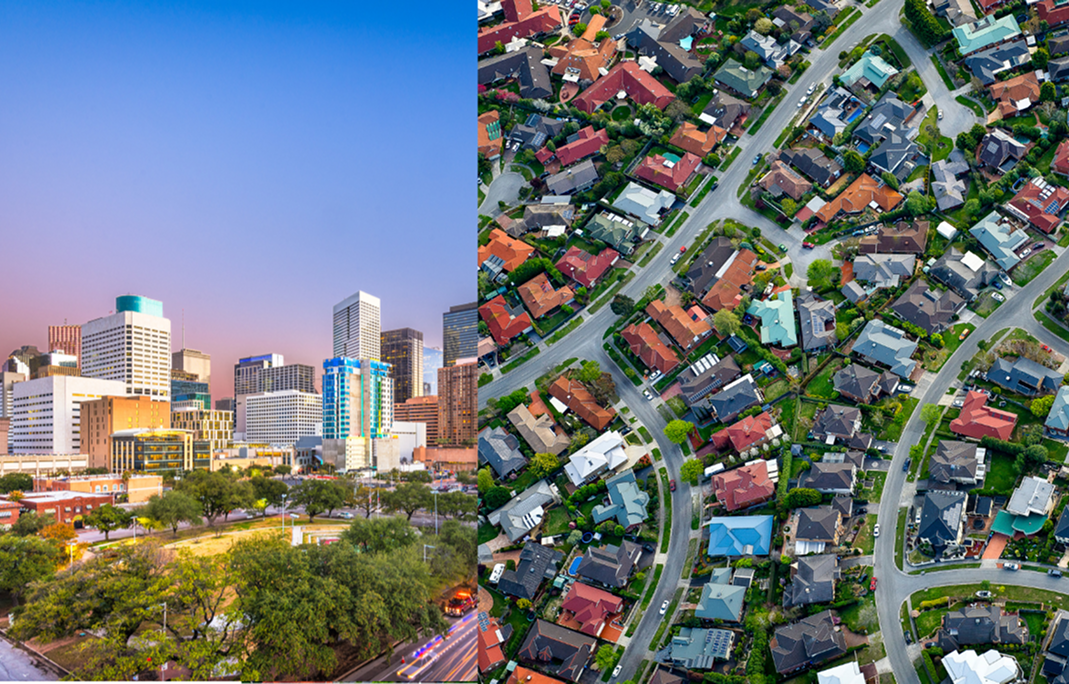
Over the past several decades, residential preferences in Canada have undergone significant shifts, reflecting changing demographics, economic factors, cultural values, and urban planning trends. Traditionally, the majority of Canadians favored suburban living, but recent years show a gradual reevaluation of the benefits of urban versus suburban life.

Historically, suburban development in Canada was driven by post-World War II economic expansion, the availability of land, and the rise of the automobile. Suburbs offered detached single-family homes, private yards, quiet streets, and the perception of safety and community. For many families, the suburbs represented upward mobility, access to larger living spaces, and proximity to schools and recreational amenities. This model dominated the urban periphery in cities such as Toronto, Vancouver, Calgary, and Montreal throughout the 20th century.

Suburban growth was facilitated by municipal zoning regulations that emphasized low-density residential areas, separation of residential and commercial land uses, and extensive road infrastructure. The combination of ample land, affordable housing relative to city centers, and convenient automobile access made suburban life the default choice for middle-class families. As a result, Canadian suburbs expanded rapidly, often at the expense of urban density and public transit viability.

In contrast, urban cores traditionally offered higher-density housing, proximity to workplaces, cultural institutions, and diverse social and commercial amenities. City living was associated with smaller apartments, higher housing costs, and greater exposure to noise and congestion. While urban centers remained important for economic, cultural, and governmental functions, they were often perceived as less desirable residential locations for families seeking privacy and space.

However, recent trends indicate a shift in preferences. Millennials, young professionals, and increasingly empty-nester populations are reconsidering the advantages of city living. Factors driving this change include the rising cost of suburban commuting, environmental awareness, and a desire for more walkable, amenity-rich neighborhoods. Urban cores now offer access to diverse dining, cultural events, public transit, and employment hubs, reducing dependence on private vehicles. Many residents value shorter commutes, better integration with public life, and opportunities for social engagement that are less feasible in sprawling suburban neighborhoods.

Technological changes and remote work have also influenced residential preferences. The COVID-19 pandemic accelerated remote work adoption, allowing some Canadians to live further from central business districts while maintaining employment connectivity. Paradoxically, this has both reinforced suburban attractiveness for some and urban living for others: while some seek larger suburban homes for comfort during remote work, others prefer city centers for the cultural, social, and recreational opportunities that cannot be replicated in low-density areas.

Pages: 1 2

Public spaces in Canada, including parks, squares, pedestrian streets, and waterfronts, function differently from those in many other countries due to a combination of climate, urban planning traditions, cultural values, and social behavior. These factors influence how these spaces are designed, used, and maintained, resulting in a unique urban experience.

One of the primary determinants is climate. Canadian cities experience extreme seasonal variations, with long, cold winters and short, warm summers. In northern cities such as Montreal, Ottawa, and Calgary, winter temperatures often drop below −20°C, and snow can cover public spaces for several months. As a result, public spaces must be adaptable to seasonal changes. During summer, parks and squares host active recreation, festivals, and outdoor markets, whereas in winter, many of these same spaces are repurposed for ice skating, sledding, and temporary installations that accommodate snow and ice. This seasonal duality makes Canadian public spaces multifunctional and highly flexible, but also means that their usage is uneven throughout the year compared to temperate climates.

Urban planning principles also shape the functionality of public spaces. Canadian cities traditionally developed under North American suburban and grid-based models, prioritizing accessibility, safety, and integration with green infrastructure. Public spaces are often designed to be visually open and spacious, with wide pathways, clear sightlines, and distributed seating. This contrasts with the compact, dense public squares common in European cities. While the openness increases safety and comfort, it can reduce the sense of intimacy and enclosure that encourages spontaneous social interaction. As a result, Canadian public spaces often work best when they are programmed or activated through events, markets, or cultural activities that attract users.

Cultural and social behavior further explains why public spaces in Canada operate differently. Canadian society tends to value privacy, personal space, and orderliness. Users of public spaces often maintain physical distance, avoid loud or disruptive behavior, and interact more formally compared to societies with a tradition of dense, communal urban life. This affects how spaces are perceived and used: large parks and promenades feel “underpopulated” unless there are organized activities, while smaller urban plazas may seem empty despite being well-maintained. Designers respond by including clear circulation routes, diverse seating arrangements, and spaces for both passive and active recreation, attempting to accommodate varied patterns of use.

Transportation and connectivity play a significant role. Many Canadian public spaces are integrated with pedestrian pathways, bicycle lanes, and transit hubs, particularly in cities such as Toronto, Vancouver, and Montreal. This integration ensures accessibility and encourages mobility, but also requires balancing pedestrian flow with recreational use. In high-density downtown areas, public squares often double as transit nodes or gathering points for office workers, which influences their daily rhythms and peak usage times. In suburban or peripheral areas, public spaces may primarily serve local residents and be used for family-oriented activities, reflecting lower population density and reliance on automobiles.

Pages: 1 2

Advertising

Canada is home to several notable underground developments, ranging from pedestrian passage networks to extensive multi-use underground complexes, most prominently in cities such as Montreal, Toronto, and Calgary. These underground cities and passages serve multiple practical, social, and economic functions, driven largely by the country’s climatic conditions, urban density, and transportation needs.

The primary driver for underground development in Canada is climate. Canadian winters, particularly in regions such as Quebec, Ontario, and Alberta, are long, harsh, and often accompanied by extreme cold, heavy snowfall, and icy conditions. In cities like Montreal, average winter temperatures can drop well below −20°C, with wind chills creating even more severe conditions. Underground passageways allow residents, workers, and tourists to move between buildings, transit hubs, and commercial centers without exposure to these extremes. They reduce health risks associated with frostbite, slips on ice, and prolonged exposure to wind and snow, while also increasing the convenience and accessibility of urban life during winter months.

Another significant reason for underground networks is urban density and the efficient use of limited space in central business districts. Cities such as Montreal have limited available land in their downtown cores, where real estate is expensive and vertical construction is already common. By developing pedestrian and service infrastructure underground, urban planners can maximize above-ground space for commercial, residential, and recreational uses. Underground networks connect office buildings, shopping centers, hotels, and public institutions, creating a continuous, climate-controlled environment that functions almost as an independent urban ecosystem. This approach helps manage pedestrian traffic, reduces congestion on streets, and integrates transportation hubs more efficiently.

Underground cities also serve economic purposes. They provide retail and commercial spaces that remain active year-round, insulated from weather fluctuations. Businesses benefit from the steady flow of pedestrians who use underground passages, especially in winter months when outdoor activity declines. Property values in connected buildings often increase, reflecting the added accessibility and convenience offered by the underground infrastructure. In addition, these networks facilitate logistical connections, allowing deliveries, maintenance services, and utilities to move efficiently without disrupting street-level activity.

Pages: 1 2

Residential planning in Canada reflects a combination of historical settlement patterns, climate considerations, socio-economic structures, and contemporary urban planning principles. Unlike many European or Asian cities, Canadian residential areas are generally low-density, spread out, and designed with significant attention to private space and automobile accessibility.

One of the foundational principles of Canadian residential planning is zoning. Municipal governments regulate land use through zoning bylaws that dictate how land can be developed. Typically, residential zones are classified into low-density, medium-density, and high-density areas. Low-density zones dominate the urban periphery and consist mostly of detached single-family homes with private yards. Medium-density areas include townhouses, semi-detached homes, and small apartment buildings, often serving as transitional zones between low-density suburbs and high-density urban cores. High-density zones are concentrated in city centers or along major transit corridors and consist of apartment towers, condominiums, and mixed-use developments.

Street layout and connectivity are key aspects of residential design. Many Canadian suburbs feature curvilinear streets with cul-de-sacs, designed to reduce through traffic, enhance safety, and create a sense of community. While this design improves local traffic conditions and privacy, it often results in longer travel distances and less walkability. In newer developments, planners sometimes attempt to integrate grid-like patterns or “modified grids” to balance accessibility, pedestrian safety, and traffic flow.

Infrastructure placement and service accessibility are also central to planning. Residential areas are typically organized around essential services such as schools, parks, and commercial nodes. Parks and green spaces are often centrally located or distributed within walking distance to enhance recreational opportunities and support ecological benefits such as stormwater management and urban cooling. Schools are strategically positioned to minimize student travel and integrate with public transit routes. Utilities, roads, and drainage systems are carefully planned before construction, with consideration for long-term expansion and maintenance in extreme weather conditions, particularly in northern or cold-climate regions.

Pages: 1 2

Advertising

Advertising