
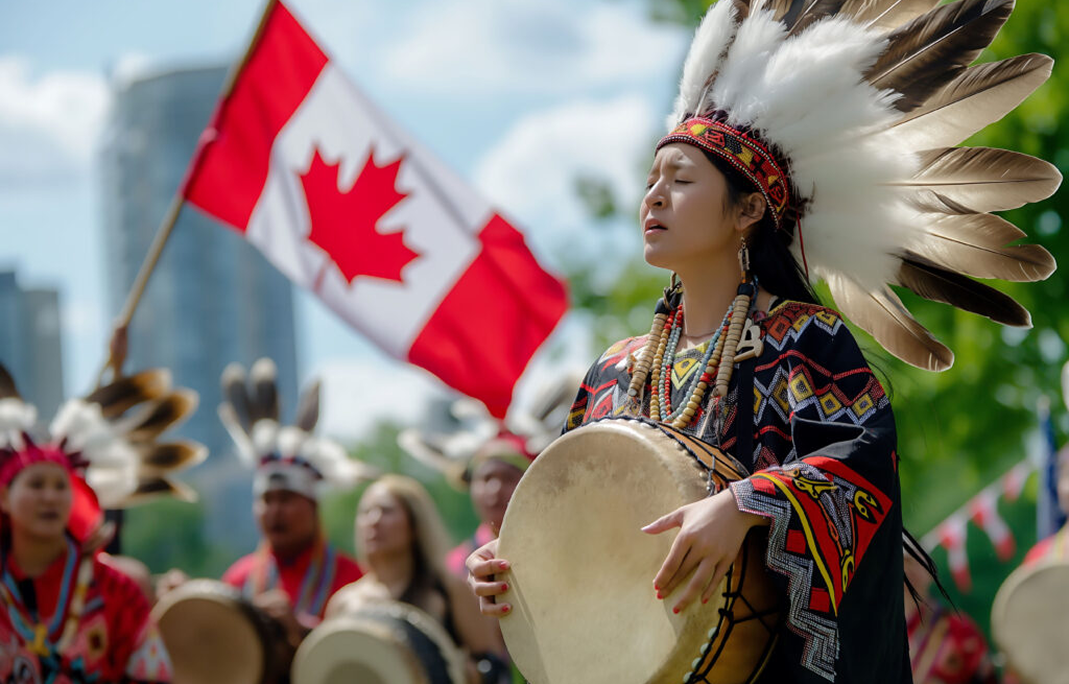
Canada is one of the most culturally diverse countries in the world, with a population shaped by centuries of Indigenous heritage, European settlement, and waves of immigration from Asia, Africa, the Middle East, and Latin America. This diversity has produced a society in which multiple cultural models coexist, interact, and influence one another, creating both opportunities and challenges for social cohesion. Understanding how this coexistence functions requires examining historical precedent, institutional frameworks, social norms, and everyday practices.
Advertising
A foundational factor is Canada’s policy of multiculturalism, formally adopted in the 1970s. Multiculturalism promotes the recognition and preservation of diverse cultural identities within a unified national framework. This approach encourages ethnic, linguistic, and religious groups to maintain their traditions while participating in broader Canadian society. By valuing diversity as a collective asset rather than expecting assimilation, Canada creates an institutional environment in which different cultural models—such as Indigenous governance, European traditions, and immigrant customs—can coexist with minimal direct conflict.
Historical settlement patterns also shaped cultural coexistence. Indigenous peoples, including First Nations, Inuit, and Métis communities, have long-established social, legal, and spiritual systems that coexist with Canadian state institutions. European colonization introduced legal, political, and economic models that became dominant in urban governance, commerce, and education. Subsequent waves of immigration brought additional cultural frameworks, each with unique social norms, family structures, and community practices. Over time, these models adapted to one another, producing hybrid practices that respect cultural heritage while facilitating shared civic life.
Everyday social norms reflect the coexistence of diverse models. Canadians often demonstrate a high tolerance for different behaviors, dietary practices, religious observances, and communication styles. Public spaces, workplaces, schools, and neighborhoods are structured to accommodate multiple cultural practices, from prayer facilities and dietary options to multilingual signage and inclusive holidays. This flexibility enables individuals to maintain cultural distinctiveness while participating in collective activities, fostering coexistence without forced conformity.
Language plays a central role in mediating cultural coexistence. Canada is officially bilingual, with English and French recognized as national languages, and many communities retain additional languages from immigrant or Indigenous backgrounds. Multilingual communication facilitates interaction between different cultural groups, allowing individuals to navigate social, economic, and civic life while preserving their linguistic heritage. Language policy also reduces cultural friction by ensuring that institutional access—such as education, healthcare, and legal services—is available to speakers of both official languages, thereby providing a framework in which diverse communities can coexist equitably.