
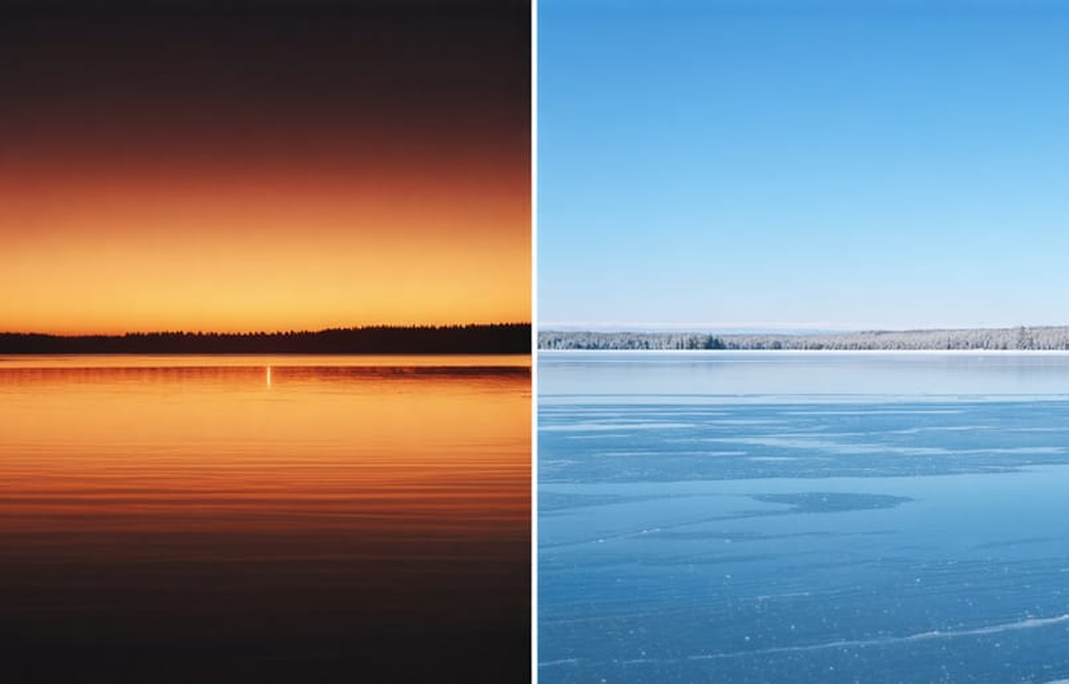
Geographic diversity within Canada also influences sleep habits. In western provinces like British Columbia, the relatively milder climate and moderate seasonal daylight variation allow for more consistent sleep schedules throughout the year. In contrast, eastern and northern provinces experience sharper seasonal swings, requiring more deliberate adjustments to routines. Canadians adapt through variations in bedtime, wake-up schedules, and activity timing, often aligning work, school, and social commitments with available daylight to maintain energy levels and cognitive function.
Advertising
Lifestyle and cultural practices in Canada reflect adaptation to daylight-induced sleep patterns. Outdoor activities are often timed to daylight availability, with recreational sports, walking, and commuting scheduled according to the sun’s presence. In winter, shorter daylight hours encourage indoor exercise, social engagement, and lighting adjustments to sustain activity and mood. Summer encourages extended outdoor activities, which may delay sleep onset but provide increased physical activity and social interaction, demonstrating a seasonal balance in health behaviors.
Technological solutions also influence sleep management in Canada. The widespread use of blackout curtains, dimmable lighting, blue-light filters on screens, and wearable sleep trackers helps individuals maintain consistent sleep patterns despite environmental extremes. These tools allow Canadians to counteract excessive summer light exposure and optimize winter sleep routines, illustrating the interplay between technology, behavior, and natural conditions in managing circadian health.
Additionally, public health campaigns emphasize the importance of sleep hygiene, particularly in regions with extreme daylight fluctuations. Recommendations include consistent sleep schedules, controlled light exposure, limiting evening screen time, and using natural light strategically in the morning to reinforce circadian cues. Schools and workplaces increasingly acknowledge seasonal sleep challenges, offering flexible schedules or wellness programs to accommodate variable daylight exposure.
In conclusion, Canada’s geographic and climatic characteristics create unique challenges and adaptations in sleep behavior. Extreme seasonal variations in daylight influence circadian rhythms, melatonin production, mood, and overall health. Canadians respond through lifestyle adjustments, technological solutions, urban planning, and public health initiatives that aim to stabilize sleep patterns and mitigate the impact of seasonal extremes. The interaction between natural light, biological rhythms, and cultural practices underscores the distinctiveness of sleep behavior in Canada, highlighting how environmental factors shape daily routines, health outcomes, and social life across the country.