
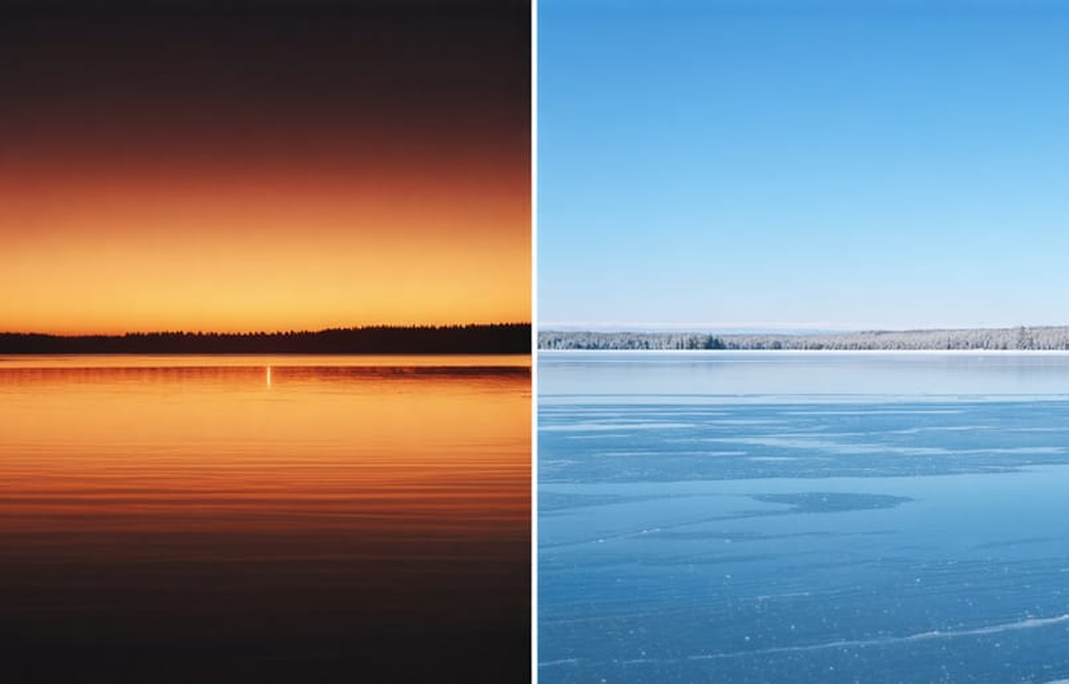
Canada’s unique geography and latitude produce distinctive patterns of daylight that have a direct impact on sleep, circadian rhythms, and overall health. Stretching from the northern Arctic territories to temperate southern provinces, Canada experiences extreme variations in daylight hours between seasons. These variations influence Canadians’ sleep schedules, mood, productivity, and daily routines, making the relationship between sleep and daylight a critical factor in public health, urban planning, and lifestyle adaptation.
Advertising
One of the most pronounced features of Canada’s daylight patterns is the extreme seasonal variation in northern regions. In areas above the Arctic Circle, such as Nunavut and the Northwest Territories, summer brings continuous daylight for weeks, known as the “midnight sun,” while winter brings prolonged darkness, often lasting months. Even in southern regions, such as southern Ontario or British Columbia, summer days can extend up to sixteen or seventeen hours, whereas winter days may be reduced to seven or eight hours. These variations challenge the natural circadian rhythm, the internal biological clock that regulates sleep and wake cycles, impacting both physical and mental well-being.
The effect of daylight on sleep is mediated by the body’s response to light exposure. Light, particularly blue-spectrum light, regulates the production of melatonin, the hormone that signals the body to prepare for sleep. Longer daylight hours in summer can delay melatonin production, making it more difficult to fall asleep early in the evening. Conversely, shorter winter days can trigger earlier melatonin secretion, potentially leading to increased sleep duration but also contributing to difficulties in waking, lethargy, and mood disturbances. These physiological responses are amplified in northern populations and during periods of rapid seasonal change.
Seasonal affective disorder (SAD) is a well-documented consequence of prolonged low daylight exposure in Canada, particularly in northern and high-latitude regions. Reduced sunlight in winter months can lead to depressive symptoms, fatigue, and disturbances in sleep patterns. Canadians often respond to these changes with lifestyle adaptations such as exposure to artificial light therapy, increased indoor physical activity, and adjustments in sleep schedules to compensate for shorter daylight hours. These strategies aim to maintain consistent circadian rhythms and mitigate the health effects of seasonal darkness.
In urban centers, artificial lighting and modern work schedules moderate some of the impacts of natural daylight variation. Offices, schools, and homes use electric lighting to extend productive hours during dark winters and manage exposure during long summer evenings. However, reliance on artificial lighting does not fully replicate the physiological effects of natural sunlight, and many Canadians report persistent sleep challenges during extreme seasonal shifts. Urban planning initiatives, such as designing buildings with large windows, optimizing daylight exposure, and encouraging outdoor activity, seek to address these challenges and promote healthier sleep patterns.