
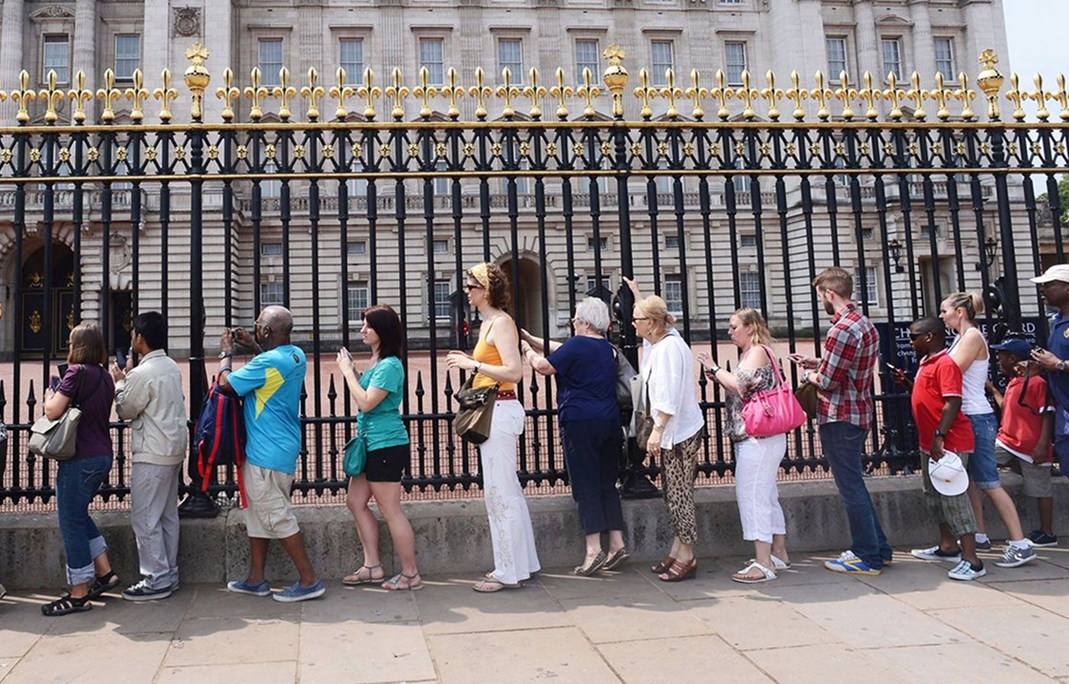
The emphasis on personal space is influenced by environmental and cultural factors. Geographically, Canada’s vast territory and historically dispersed settlements promoted physical independence and self-reliance, establishing a pattern of interaction that values non-intrusion. Climatic conditions, particularly harsh winters, further reinforced a tendency toward keeping distance; crowded indoor spaces could become uncomfortable or unsafe during periods of snow, ice, and extreme cold. Social norms adapted to these conditions, promoting spatial awareness and orderly conduct as fundamental aspects of daily life.
Advertising
Cultural diversity also reinforces these practices. Canadian cities are highly multicultural, with residents from numerous ethnic, religious, and linguistic backgrounds. In such heterogeneous environments, respecting personal space and waiting one’s turn helps prevent misunderstandings and fosters harmonious coexistence. Canadians often err on the side of caution in social interactions, preferring indirect communication and measured physical proximity, which reduces the risk of conflict or discomfort in culturally mixed settings.
The culture of queues and personal space extends into professional and institutional contexts as well. In workplaces, formal meetings, and public services, adherence to orderly conduct and spatial boundaries is expected. Employees, clients, and visitors are all guided by shared assumptions about acceptable distance, pacing, and turn-taking. This structured behavior contributes to workplace efficiency and social stability, reinforcing expectations in both personal and professional spheres.
Despite its strengths, this cultural tendency also has social implications. High value placed on personal space and orderly conduct can limit spontaneous social interactions and casual engagement with strangers. Public spaces may appear underused or impersonal, and newcomers to Canada sometimes perceive social interactions as reserved or distant. However, this perceived social restraint is not rooted in unfriendliness but in a deeply ingrained cultural ethic of respect, fairness, and consideration for others.
In conclusion, the culture of queues and personal space in Canada is a reflection of historical precedent, environmental adaptation, multicultural coexistence, and social values emphasizing respect, fairness, and order. Queuing ensures equitable access and predictable interactions, while personal space protects autonomy and reduces social tension. Together, these practices create a social environment characterized by politeness, predictability, and mutual consideration. While this cultural pattern may occasionally limit spontaneity or casual social connection, it contributes to a society where public and private interactions are conducted with minimal conflict, demonstrating the Canadian preference for civility and structured social behavior.